
 By cdally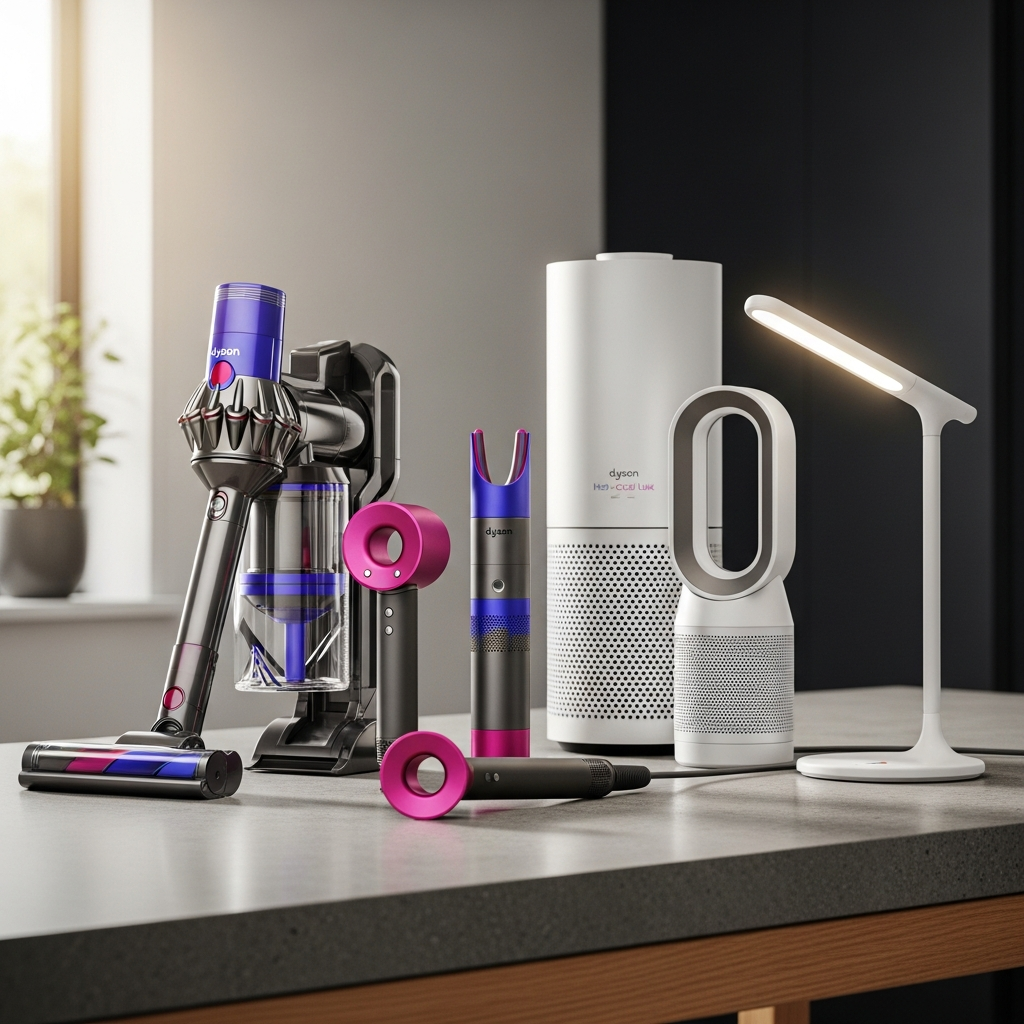
Introduction
In the world of innovation and design, Dyson has carved a niche for itself as a pioneer in household technology. From its humble beginnings to its current status as a global leader, Dyson’s journey is a testament to the power of relentless innovation and the pursuit of excellence. This article delves into the history of Dyson, exploring its inception, growth, and the impact it has made in the realm of consumer electronics.
The Genesis of Dyson
The story of Dyson begins with its founder, Sir James Dyson, a British inventor and entrepreneur. In the late 1970s, Dyson became frustrated with the inefficiency of traditional vacuum cleaners that quickly lost suction power. His determination to solve this problem led to the invention of the world’s first bagless vacuum cleaner, using cyclonic separation technology.
The development process was fraught with challenges. Dyson created over 5,000 prototypes before perfecting his design. His perseverance paid off when he finally launched the G-Force cleaner in Japan in 1983, where it won the International Design Fair Prize. Despite initial struggles to penetrate the UK market, Dyson’s vacuum cleaner gradually gained popularity, paving the way for the establishment of Dyson Ltd in 1991.
Innovation at the Core
Dyson’s commitment to innovation is not limited to vacuum cleaners. Over the years, the company has expanded its product line to include a wide array of household appliances, each marked by cutting-edge technology and design. Notable among these are the bladeless fans, launched in 2009, which utilise Air Multiplier technology to project a smooth, uninterrupted airflow.
Moreover, Dyson’s foray into the world of personal care with the Supersonic hair dryer and the Airwrap styler has redefined the standards for hair care appliances. These products, characterised by their unique design and advanced technology, have garnered a loyal customer base and numerous accolades.
Sustainability and Social Responsibility
In recent years, Dyson has increasingly focused on sustainability and reducing its environmental impact. The company is committed to developing energy-efficient products and minimising waste. Dyson’s digital motors, for instance, are designed to consume less power while delivering superior performance.
Furthermore, Dyson has invested in education and innovation through the James Dyson Foundation. This charitable organisation supports young engineers and designers, encouraging them to think creatively and develop solutions to real-world problems. Through scholarships, competitions, and workshops, the foundation aims to inspire the next generation of innovators.
Global Expansion and Market Leadership
From its beginnings in a small workshop, Dyson has grown into a multinational corporation with a presence in over 65 countries. The company’s headquarters, known as the Dyson Campus, is located in Malmesbury, Wiltshire, and serves as a hub for research, design, and development.
Dyson’s global expansion has been bolstered by strategic marketing and a firm commitment to quality and innovation. The company’s products are highly regarded for their performance, durability, and unique design, earning Dyson a reputation as a leader in consumer electronics.
Conclusion
The history of Dyson is a remarkable tale of innovation, perseverance, and success. From the invention of the first bagless vacuum cleaner to its current status as a global technology leader, Dyson has consistently pushed the boundaries of what is possible. Its commitment to innovation, sustainability, and social responsibility sets a benchmark for other companies in the industry. As Dyson continues to evolve and expand, it remains a shining example of how creativity and determination can lead to global success.