
 By cdally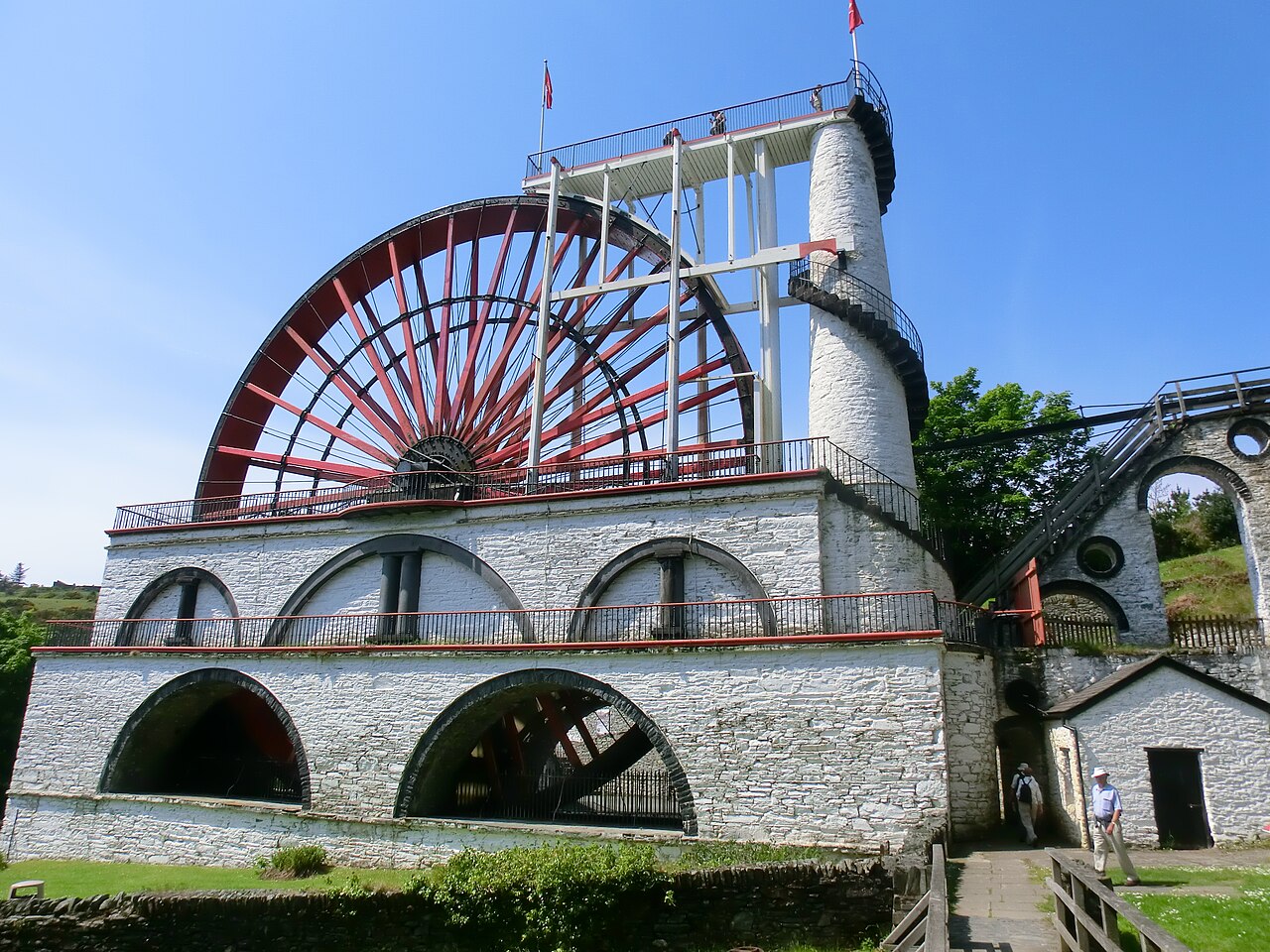
Nestled in the lush greenery of Laxey on the east coast of the Isle of Man stands a triumph of Victorian engineering. Known as Lady Isabella, the Great Laxey Wheel is the largest working waterwheel in the world. With its striking red-and-white livery and the iconic Manx Triskelion (the Three Legs of Man) emblazoned on its side, it has become a symbol of the island’s industrial heritage.
A Solution to a Watery Problem
In the mid-19th century, the Laxey Valley was a hive of industrial activity. The Great Laxey Mines were incredibly rich in lead, silver, and zinc, but there was a significant obstacle: as the miners dug deeper into the earth, the shafts began to flood.
To keep the mines operational, the water had to be pumped out. However, the Isle of Man lacked a local supply of coal to power steam engines, and importing it was prohibitively expensive. The solution had to be found in the island’s natural resources—specifically, the abundant water running off the surrounding hills.
The Architect’s Vision
A local engineer named Robert Casement was tasked with the challenge. In 1854, he completed his masterpiece. The wheel has a diameter of 72 feet (22 metres) and is 6 feet wide. It was built using wood and iron, and its design was so efficient that it could pump 250 gallons of water per minute from a depth of 1,500 feet.
On the day of its opening, it was named Lady Isabella in honour of the wife of the then-Lieutenant Governor, Charles Hope. The event was a grand affair, attended by thousands of residents who marvelled at the sheer scale of the structure.
Ingenious Design
What makes the Great Laxey Wheel particularly fascinating is how it delivered its power. The wheel is located about 200 yards away from the mine shaft it served. To bridge this gap, Casement designed a long “rod duct”—a series of timber rods supported by a stone viaduct. As the wheel turned, these rods moved back and forth, transferring the mechanical energy from the wheel to the pumps in the mine.
The wheel itself was powered by a system of cisterns and pipes that captured water from the hillside and delivered it to the top of the structure, using gravity to turn the massive wheel in an “overshot” fashion.
From Industry to Icon
The mines eventually closed in 1929, and for a time, the future of the wheel was uncertain. However, the Isle of Man government recognised its historic value and purchased the site in 1965. Extensive restoration work followed, ensuring that Lady Isabella could continue to turn, albeit now for the delight of tourists rather than for the labour of miners.
Visiting the Wheel Today
Today, the Great Laxey Wheel is managed by Manx National Heritage. Visitors can climb the spiral staircase to the top of the viewing platform, which offers spectacular views across the Laxey glen and out toward the Irish Sea. Watching the massive wooden spokes creak and turn is a visceral reminder of a time when the Isle of Man was at the forefront of the Industrial Revolution.