Ticket to a New Life: Finding Ancestors in Passenger Lists
Somewhere in an archive, a clerk once wrote your ancestor's name in a column of ink, between a stranger from the next village and a family of five from the next county. That single line may be the only surviving proof of the day a life was uprooted. For anyone attempting family history research, passenger lists and emigration records are among the most rewarding sources, because they capture the moment a family stepped out of one story and into another.
What Passenger Lists Actually Contain
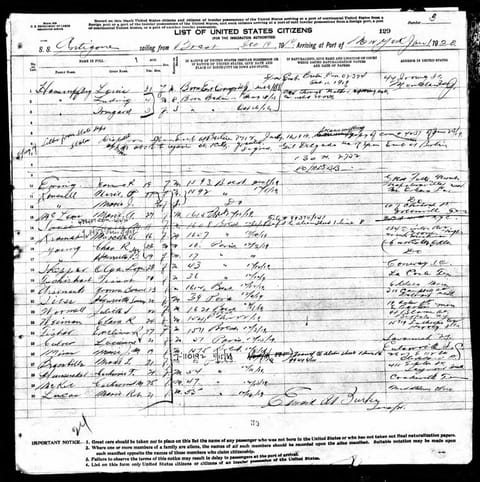
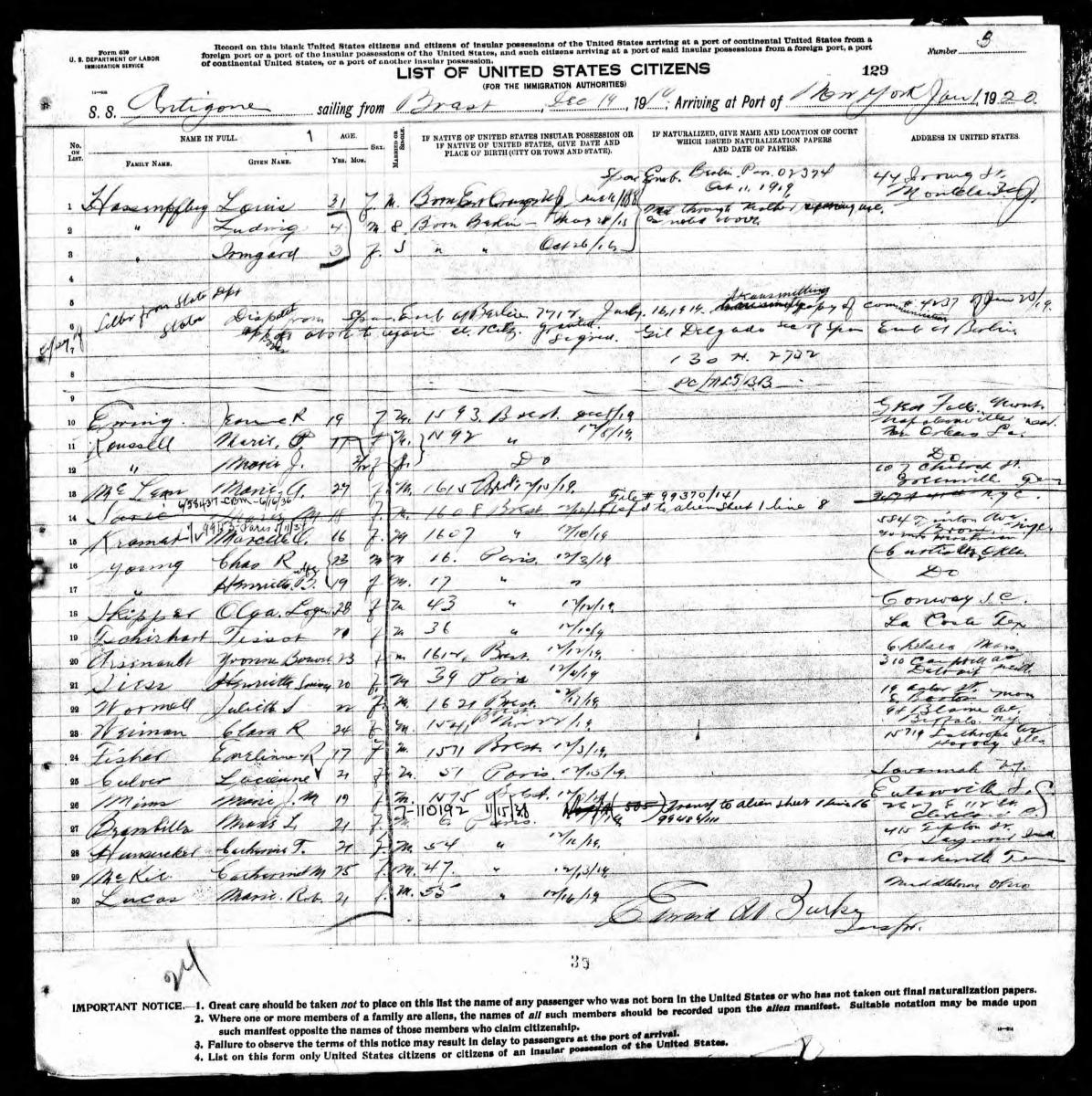
A passenger list, sometimes called a manifest, was a document compiled for a ship's voyage. Its contents changed with the country and the period, but the more detailed examples can give you:
- Full name, age and occupation
- Last place of residence or birthplace
- Port of departure and port of arrival
- Name of the ship and the date of sailing
- Travelling companions, and sometimes a relative or friend waiting at the destination
- Whether the fare was paid by the passenger or by someone else
Later manifests, especially those created for arrivals in the United States in the early twentieth century, tend to be richer than earlier ones. They may include physical descriptions, literacy and the name of the nearest relative left behind, which can point you straight to the home village.
Outward and Inward: Two Sides of One Journey
The first thing to grasp is the difference between records made where people left and records made where they landed. Many researchers search only one side and miss the other.
Arrival records
Receiving countries usually kept the most systematic lists. In the United States, customs passenger lists survive from the early nineteenth century, and Ellis Island handled arrivals from 1892 until the mid-1950s. Canada's national archive holds lists for many ports, while Australian state archives hold registers of assisted immigrants, including the people who travelled under post-war assisted passage schemes.
Departure records
Records of leaving are patchier but can be revealing. For the United Kingdom, The National Archives holds outward passenger lists for long-distance voyages from British ports between 1890 and 1960. For Germany, the Hamburg passenger lists, covering much of the period from 1850 into the 1930s, are a major resource for those whose ancestors left through that busy port.
Beyond the Manifest: Other Emigration Records
The list is only the beginning. Emigration records come in many forms and often explain why a person left, not merely that they did:
- Passports and permits: some countries required official permission to leave, and the applications can survive in local or national archives.
- Assisted passage files: parishes, charities, landlords and colonial governments sometimes paid for people to go, creating paperwork about who was chosen and why.
- Shipping company and agent papers: ticket registers and booking ledgers may survive even where lists do not.
- Naturalisation papers: these usually record the arrival date and ship, giving you a second route to the voyage.
How to Trace Ancestors Across the Water
Begin at the destination, not the departure point. Census returns, death certificates and naturalisation files often state an approximate year of arrival or a birthplace, which narrows the search enormously. Work backwards from what you can prove.
- Gather a name, an approximate age and an estimated year of arrival from home sources.
- Search the major online indexes, but try variant spellings, since clerks wrote what they heard and transcribers sometimes misread handwriting.
- Search by companions as well as by name. Grandparents, siblings and neighbours often travelled together.
- When a name will not surface, browse the original pages for a likely ship and date instead of relying on the index.
- Confirm any match against a second record before adding it to your tree.
Common Pitfalls
A persistent family legend says that officials at the port renamed arrivals at the desk. In practice, passengers were generally checked against lists already prepared at the port of departure, so name changes more often happened later, when people chose to adapt their names themselves. If your family surname looks different on the manifest, look for a spelling variant or a transcription error before assuming a story of reinvention.
Be careful, too, with common names. Several people called John Murphy or Anna Schmidt may have sailed in the same year, and only matching ages, origins and companions will tell you which one is yours.
Learning About the Voyage Itself
Once you have found a vessel, ship records can add colour. Crew agreements, shipping registers and newspaper reports of the period may reveal the size of the ship, the length of the crossing and any trouble on board. Understanding whether your ancestors sailed in steerage on a crowded steamer or on an emigrant sailing ship helps you picture what they endured.
Why It Matters
Finding a name on a passenger list turns a vague family story into a date, a vessel and a set of companions. It can also open the door to the records on the other side of the ocean, because the place of origin named there often unlocks parish and civil records that were previously out of reach. Start with what you know, search both ends of the journey, and let each document lead you to the next. With patience, the ticket your ancestor bought will lead you straight back to you.