Names on the Page: Reading Census Returns for Family Clues
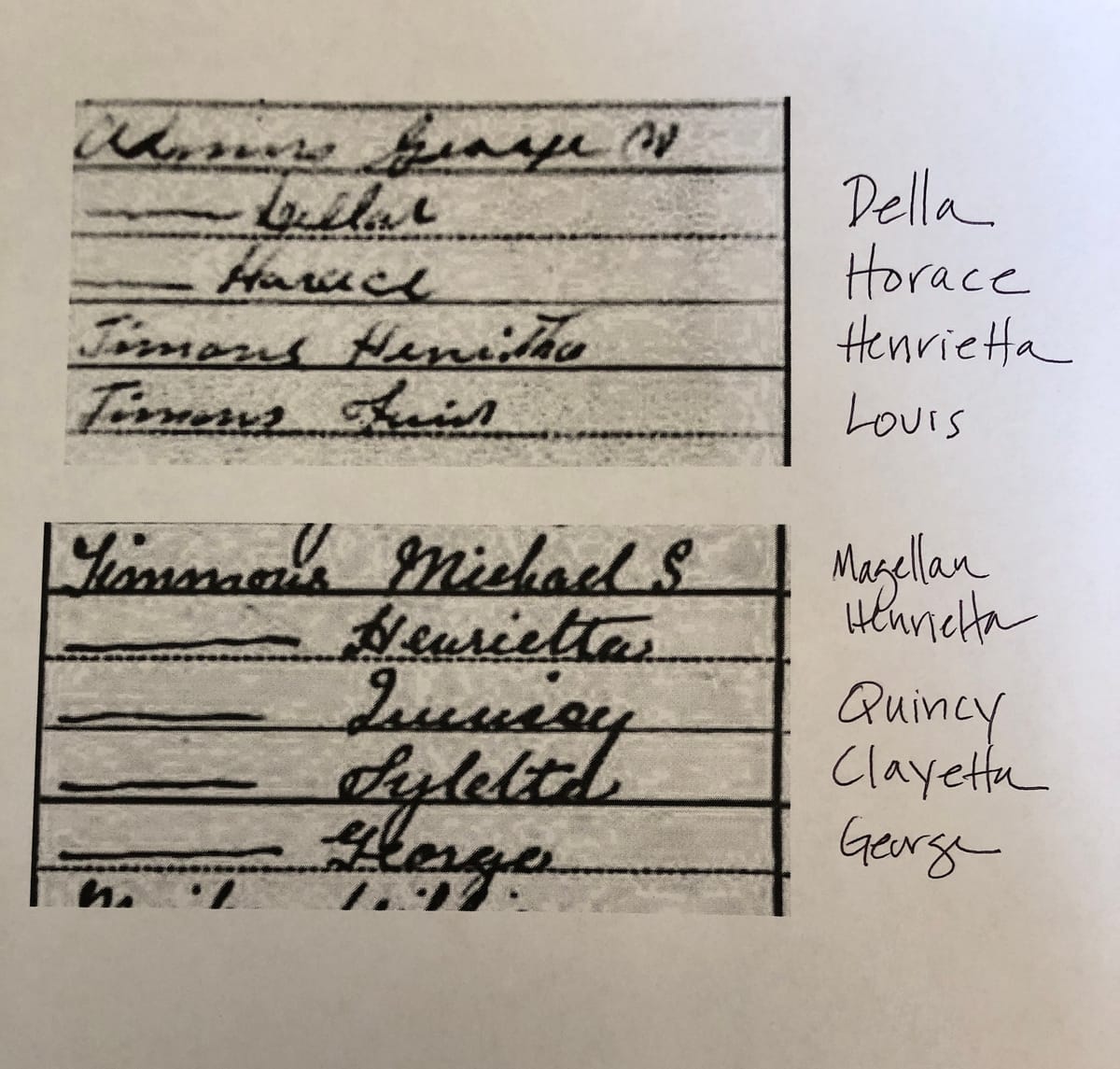
On a spring night in 1851, households across Britain waited for a form to be filled in, and a tired enumerator later copied the details into a book. Neither could have guessed that, generations on, someone would pore over that page to find a great-great-grandmother's age or a lost brother's trade. Census records are among the richest sources in family history, and they reward anyone who learns to read them carefully.
Why census returns matter
A census is a snapshot of who was living where on a single night. In Britain, a census has been taken every ten years since 1801, but the returns that name every person only survive from 1841 onwards. Those later returns place your ancestors under one roof, show who lived beside them and hint at how they earned a living. For anyone tracing ancestry, they act as a series of stepping stones, linking the milestones recorded in birth, marriage and death certificates.
What each column is telling you
Most returns follow a similar pattern, even though the questions changed over time. Learn the headings and you will begin to see the household as the enumerator did.
Address, name and relationship
The first columns give the place of residence and the people present. From 1851, the form recorded each person's relationship to the head of the household, which is invaluable for sorting out sons from nephews and wives from housekeepers. The 1841 return does not state relationships, so you must infer them from ages and surnames.
Age and marital status
In 1841, the ages of adults were commonly rounded down to the nearest five years, so a person recorded as 30 might be anywhere from 30 to 34. From 1851, ages are generally more exact, though people still shaved off years, or added them, for reasons of vanity or convenience. Treat every age as a clue rather than a certainty.
Occupation
Job descriptions can open up a whole world: agricultural labourer, framework knitter, domestic servant, scholar. Look at the children, too. A child with an occupation listed tells you something about the family's finances, while a column of scholars suggests a household that valued schooling.
Birthplace
The 1841 census only records whether a person was born in the same county, with a few other broad categories. From 1851, the place of birth is usually given as a parish or town. Comparing birthplaces across a family can reveal the very year they moved, since the birthplaces of the children often trace a migration step by step.
What later censuses add
- 1861 to 1901: the questions remain broadly similar, though later returns add details such as whether a person was blind or deaf and, in Wales, which languages they spoke.
- 1911: the original household schedules survive, so you can often see the handwriting of the head of the household. Married women were also asked how long they had been married and how many children had been born alive and were still living.
- 1921: taken on 19 June, this census was released to the public in 2022 and includes further details about employers and workplaces.
There is no surviving 1931 census for England and Wales, as it was destroyed in a fire in 1942, and no census was taken in 1941 because of the war. The 1939 Register fills part of that gap.
Genealogy tips for avoiding common traps
These practical genealogy tips will save you time and false trails.
- Expect spelling variations. Names were written as they sounded, so Catherine may appear as Katherine, and a surname may be altered beyond easy recognition. Search by sound, by first name and birth year, or by other family members.
- Check the transcription against the image. Online indexes are made by people reading old handwriting, and errors are inevitable. If a search fails, browse the page itself, or the pages around it.
- Remember who gave the information. A neighbour, a lodger or a child might have answered the enumerator's questions, so details may be guesses.
- Look beyond the family. Lodgers, visitors and servants may be relatives, in-laws or future spouses.
- Compare several censuses. A single return is a snapshot; a run of them shows a story, with children leaving home and widows taking in lodgers.
Turning names into stories
Once you have the basics, ask more of the page. Does the household seem crowded, with several families in one house? Does a widow head the household, running a shop or a farm? Do the occupations of the neighbours suggest a mining village, a mill town or a fishing port? Pair these observations with local histories, maps and trade directories, and a column of names begins to feel like a community.
Why it still matters
Census returns will not tell you what your ancestors felt or hoped for, but they offer the plain evidence of how they lived, who they lived with and where they came from. Read them slowly, question every detail and cross-check against other records. The names on the page are only the start; with patience, they lead to the people behind them.