Digging for Roots: How to Start Tracing Your Family History at Home
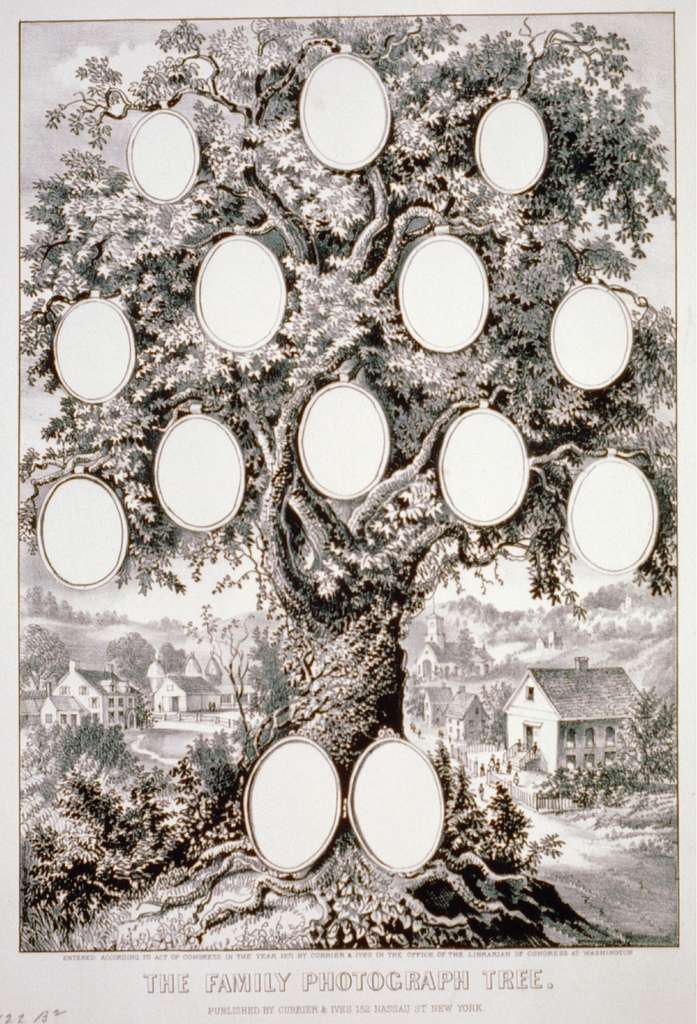
Almost every family has a story that is told at Christmas and never quite verified: a great-grandfather who ran away to sea, a distant cousin who emigrated, a surname said to hint at noble blood. Turning those tales into documented fact is the heart of family history, and the first steps can be taken without leaving the house. This guide to genealogy for beginners explains where to begin, what to collect and how to avoid the mistakes that send many newcomers down the wrong branch.
Start with Yourself and Work Backwards
The golden rule of ancestry research is to move from the known to the unknown. Begin with yourself, then your parents, then your grandparents, recording full names, dates and places of birth, marriage and death. Resist the temptation to leap straight to a famous surname from centuries ago. Every link in the chain needs evidence, and each generation you prove gives you the clues to find the next.
A simple pedigree chart, available free from many genealogy societies or easily drawn by hand, will help you see at a glance where the gaps lie. Use pencil at first. You will almost certainly need to make corrections.
Gather What Is Already in the House
Before searching any database, search your own home. Relatives often hold more than they realise, and this material is frequently the most personal evidence you will find.
- Certificates: birth, marriage and death certificates give names, ages, occupations and addresses, and often the names of parents.
- Photographs: look on the back for names, studio stamps and dates. Clothing and photographic format can help estimate when a picture was taken.
- Letters, diaries and postcards: these reveal addresses, friendships and the voice of the writer.
- Bibles and keepsakes: family Bibles often contain handwritten lists of births and deaths.
- Medals, school reports and work papers: these point to military service, education and careers that may have left their own records.
Talk to Your Relatives
Memories are a perishable resource, so speak to older family members sooner rather than later. Prepare a few open questions, such as where they grew up, who lived nearby and what they recall of their grandparents. Record the conversation if they are happy for you to do so, or take careful notes. Treat what you hear as a lead rather than a fact, since dates and spellings can drift over decades, and check it against documents later.
Turning to Records Online
Once you have a basic outline, the Internet opens up a vast range of material. Major commercial genealogy websites, free services run by archives and volunteer-led projects all offer searchable indexes and digitised images. Many libraries and local archives provide free access to paid sites, which is worth knowing before you commit to a subscription.
Civil Registration
In England and Wales, the registration of births, marriages and deaths began in 1837, with Scotland following in 1855. Indexes to these entries let you find the reference you need to order a certificate. Before these dates, you will rely more heavily on parish registers of baptisms, marriages and burials.
Making the Most of Census Records
Census records are among the most useful tools for anyone who wants to trace a family tree. In the United Kingdom a census has been taken every ten years since 1801, with the exception of 1941, when wartime conditions intervened. From 1841 onwards, the returns name each person in a household, and later ones add relationships, occupations and birthplaces. Because a census is a snapshot of a single night, comparing several in a row lets you watch a family grow, move and change jobs. Be aware that the 1931 return for England and Wales was lost in a fire, and that these records are released only after a long period of closure, so the most recent ones are not available. The 1939 Register, taken at the outbreak of the Second World War, partly fills that gap.
The United States has a similar system, with records released to the public after 72 years. In both countries, ages may be approximate and names may be spelt as the enumerator heard them, so search for variants.
Avoid the Common Pitfalls
- Do not trust other people's trees blindly. Online family trees can be useful pointers, but they often repeat the same errors. Look for original documents.
- Beware of coincidences. Two people with the same name, born in the same county in the same year, are not necessarily the same person.
- Expect spelling changes. Surnames were written by ear, and literacy was far from universal. Try alternative spellings and phonetic matches.
- Keep a source for every fact. Note where each piece of information came from, so you can retrace your steps and judge how reliable it is.
Organise as You Go
Choose a system early. Free genealogy software and online tree builders can store names, dates and notes, but a plain folder for each family branch and a spreadsheet log of searches work just as well. Back up your files, and label scanned documents consistently with the person, the type of record and the year.
Why It Is Worth the Effort
Researching your family history is part detective work and part storytelling. A line in a census may reveal a grandmother who worked in a mill at twelve; a marriage certificate may show two witnesses you have never heard of. Take your time, stay sceptical and enjoy the surprises. With a few documents, a notebook and some patience, you can begin to piece together the people who made you, one generation at a time.