
 By cdally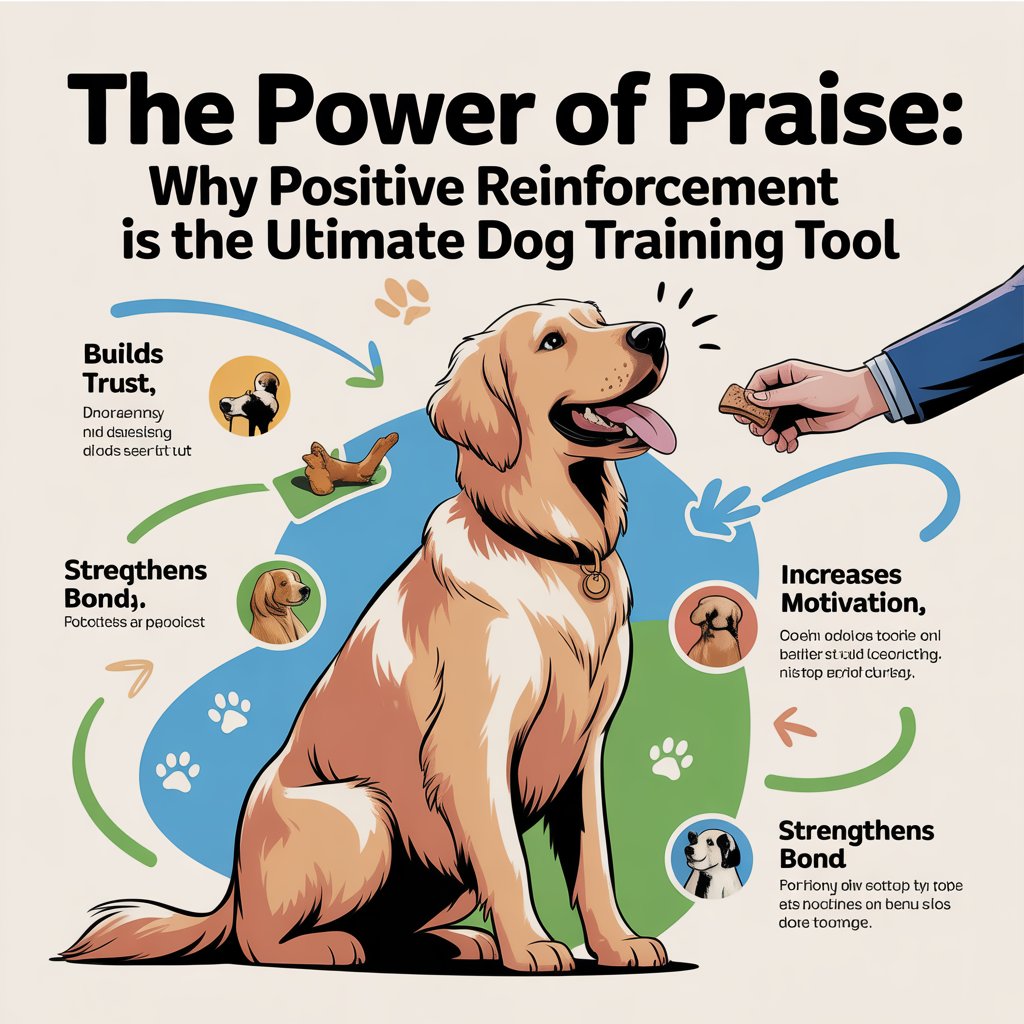
If you’ve recently brought home a new puppy or are struggling with a stubborn older dog, you might be overwhelmed by the conflicting advice on how to “be the alpha.” However, modern canine science has shifted away from dominance-based tactics. Today, the gold standard is positive reinforcement dog training.
Instead of punishing a dog for what they do wrong, this method focuses on rewarding them for what they do right. Here is why it works and how you can start implementing it today.
What Exactly is Positive Reinforcement?
In simple terms, positive reinforcement means adding something desirable (like a treat, a toy, or verbal praise) immediately after a behavior occurs. This increases the likelihood that the behavior will happen again.
Unlike older methods that rely on “corrections” or fear, reward-based training builds a relationship of trust between you and your dog. When a dog enjoys the learning process, they become a more confident and eager companion.
3 Keys to Success with Reward-Based Training
1. Timing is Everything
Dogs live in the moment. To help your dog make the connection between their action and the reward, you must deliver the treat within 1–2 seconds of the desired behavior. If you ask your dog to “Sit,” and they sit but then stand back up before you give the treat, you’ve accidentally rewarded them for standing!
2. Keep it Small and High-Value
During a training session, you’ll be giving a lot of rewards. Use “high-value” treats—things your dog loves but doesn’t get every day, like small pieces of boiled chicken or specialized training treats. Keep the pieces tiny (about the size of a pea) so your dog doesn’t get full or distracted by too much chewing.
3. Be Consistent with Cues
Ensure everyone in your household uses the same words. If you say “Down” to mean “lie down,” but your partner says “Down” when the dog jumps on the couch, the dog will become confused. Pick one word for one action and stick to it.
Common Pitfalls to Avoid
One of the biggest mistakes owners make is accidentally rewarding bad behavior. For example, if your dog barked at you for attention and you turned around to yell “Quiet!”, you just gave them the attention they wanted. In their mind, the barking worked! Instead, ignore the unwanted behavior and reward the moment they are calm and silent.
Conclusion
Positive reinforcement isn’t just about “bribing” your dog with food; it’s about communication. By focusing on the positive, you create a dog that wants to listen because they know that following your lead results in good things.