
 By cdally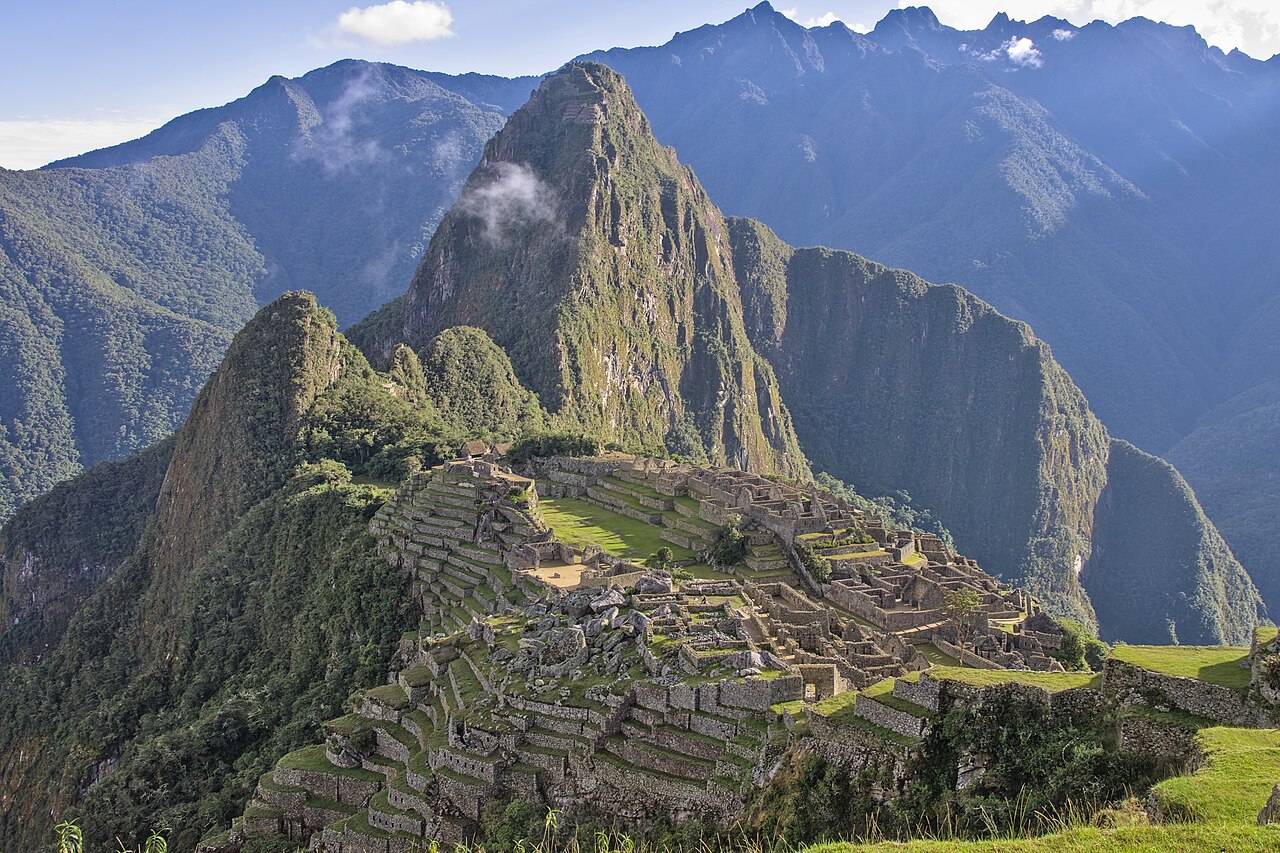
High atop a mountain ridge in the Peruvian Andes, 7,970 feet above sea level, sits Machu Picchu. Often called the “Lost City of the Incas,” it is perhaps the most spectacular testament to the engineering genius of the Incan Empire. Shrouded in mist and surrounded by tropical forest, this stone city remains one of the world’s greatest archaeological mysteries.
A Royal Retreat
Historians believe Machu Picchu was built around 1450, at the height of the Inca Empire under the rule of the illustrious emperor Pachacuti. Contrary to the popular image of a hidden fortress, it wasn’t built as a military stronghold. Most archaeologists now agree it was likely a royal estate—a summer retreat for the emperor and his nobility to escape the chill of the capital, Cusco.
The Mystery of Abandonment
One of the most fascinating aspects of Machu Picchu is how short-lived it was. The city only saw occupation for about 80 years. By the time the Spanish conquistadors arrived in South America in the 1530s, the site had already been abandoned.
Why did the Incas leave? Some theories suggest that a smallpox outbreak decimated the population, while others believe that that the civil war preceding the Spanish arrival led to the city’s abandonment. Because the Spanish never discovered Machu Picchu, its walls remained untouched by the destruction that befell many other Incan sites.
Architectural Genius: No Mortar Required
The construction of Machu Picchu is a marvel of “Ashlar” masonry. The Incas were masters of stone-cutting; they carved granite blocks so precisely that they fit together perfectly without the use of mortar. In fact, it is often impossible to insert even a blade of grass between many of the stones.
This wasn’t just for aesthetics. Peru is a highly seismic region, and mortar-free walls are more earthquake-resistant. When the earth shakes, the stones “dance”—they jiggle in place and then settle back into their original positions, preventing the structures from collapsing.
The “Rediscovery”
For centuries, the site was known only to local farmers. That changed in 1911 when a local boy led American historian Hiram Bingham to the ruins. Bingham, who was actually searching for the “lost city” of Vilcabamba, stared in amazement at the sight of the overgrown terraces and palaces. He brought the site to international attention through National Geographic, sparking a fascination that has never faded.
Celestial Alignments
The Incas were expert astronomers, and they built Machu Picchu in harmony with the cosmos. The Intihuatana stone (the “Hitching Post of the Sun”) is a ritual stone that points directly at the sun during the winter solstice. The Incas believed the stone “tied” the sun to its place in the sky to ensure the return of longer days.
Traveling Today
Machu Picchu is now a UNESCO World Heritage site and one of the New Seven Wonders of the World. To protect the site from over-tourism, the Peruvian government has implemented strict visitor limits and trail regulations. For many, the four-day trek along the Inca Trail remains a must-do pilgrimage, ending with the sunrise over the Sun Gate.