
 By cdally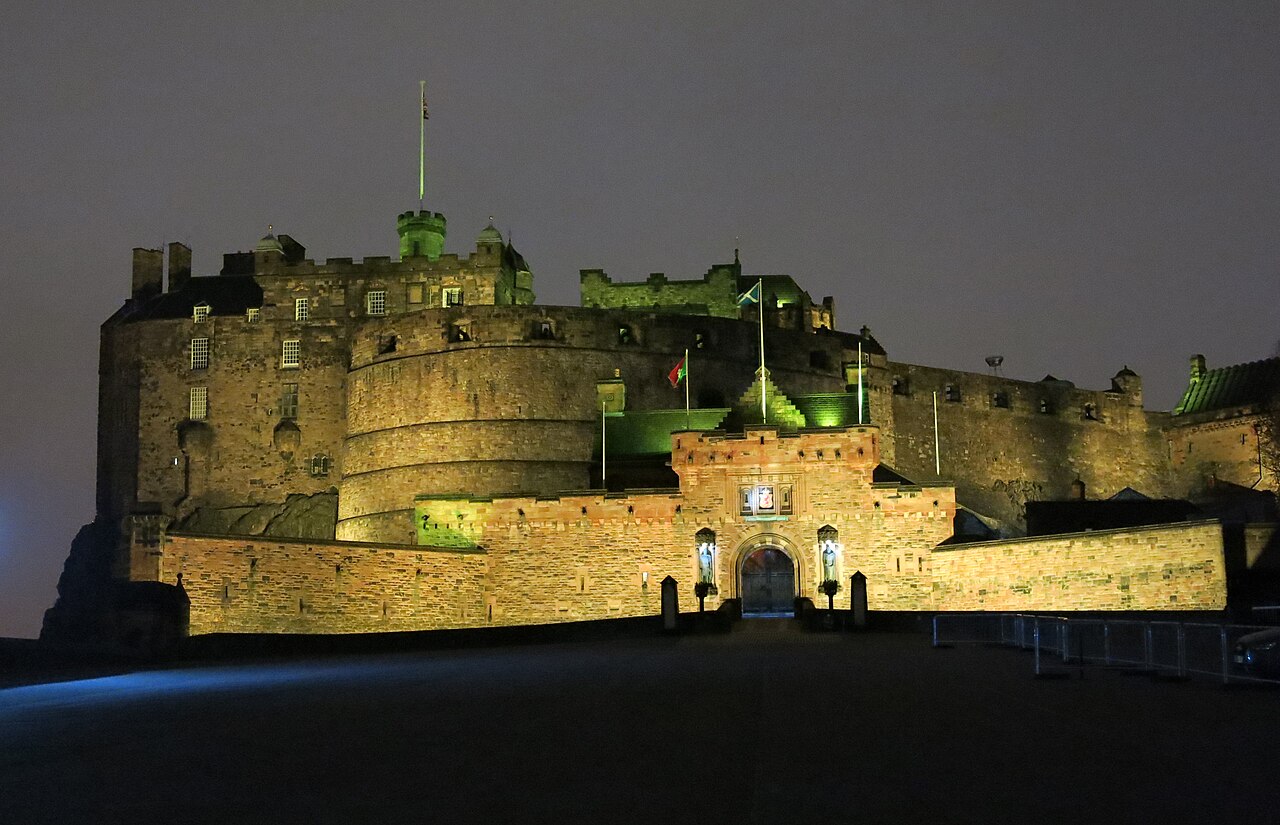
If you ever find yourself walking down the Royal Mile in Scotland’s capital, it is impossible to miss the dark, jagged silhouette of Edinburgh Castle looming over the city. Perched atop “Castle Rock”—a volcanic plug formed over 350 million years ago—this iconic fortress is more than just a beautiful photo opportunity; it is the historic soul of Scotland.
Ancient Roots and Iron Age Origins
While the stone walls we see today aren’t quite that old, humans have been seeking refuge on Castle Rock for millennia. Archaeological excavations have found evidence of a hillfort dating back to the Iron Age (around the 2nd century AD). The legendary poem Y Gododdin refers to a “Din Eidyn” (the stronghold of Eidyn), suggesting that long before the Kings of Scotland claimed the site, ancient warriors used this precipice as a defensive vantage point.
The Royal Seat of the Middle Ages
The castle transitioned from a wooden fort to a formidable stone royal residence during the reign of King David I in the 12th century. It was during this period that the oldest surviving building in the castle (and in all of Edinburgh) was constructed: St. Margaret’s Chapel. Built around 1130, this tiny, Romanesque chapel was dedicated to David’s mother, Queen Margaret, who was said to have died of a broken heart at the castle after learning of her husband’s death in battle.
Throughout the Wars of Scottish Independence, the castle was a constant tug-of-war between the Scots and the English. It changed hands multiple times, being captured by Edward I of England and later famously recaptured by Thomas Randolph, the Earl of Moray, who led a daring night raid up the castle’s steep cliffs in 1314.
The Honours of Scotland and the “Stone of Destiny”
Edinburgh Castle isn’t just a military barracks; it is a treasure house. It houses the Honours of Scotland, the oldest Crown Jewels in Britain. These symbols of royalty—the Crown, Scepter, and Sword of State—were first used together for the coronation of Mary, Queen of Scots, in 1543.
Alongside the jewels sits the Stone of Destiny (or the Stone of Scone). For centuries, this ancient block of red sandstone was used in the coronation of Scottish monarchs. In 1296, it was seized by the English and taken to Westminster Abbey, only to be officially returned to Scotland in 1996.
From Palace to Military Garrison
By the 17th century, the castle’s role shifted from a royal residence to a primary military base. It survived the “Lang Siege” in 1573 and various Jacobite Risings. In the 18th and 19th centuries, its vaults served as a prison for captives of the Seven Years’ War, the American War of Independence, and the Napoleonic Wars. You can still see the graffiti carved into the wooden doors by American sailors held there in the 1700s.
The Castle Today: The One O’Clock Gun
If you visit at midday, don’t be startled when a massive explosion echoes across the city. Since 1861, the One O’Clock Gun has been fired nearly every day (except Sundays, Christmas Day, and Good Friday). Originally intended as a time signal for ships in the Firth of Forth, it has become one of the castle’s most beloved traditions.
Today, Edinburgh Castle stands as a symbol of Scottish resilience. Whether you are exploring the Great Hall with its hammerbeam roof or looking out over the New Town from the batteries, you are walking on layers of history that span nearly two thousand years.
Traveler’s Tip: If you plan to visit, book your tickets well in advance! As Scotland’s most visited paid attraction, it fills up quickly, especially during the August Fringe Festival when the famous Military Tattoo takes place right on the castle esplanade.