Pounds and Promises: Planning a Beautiful Wedding on a Budget
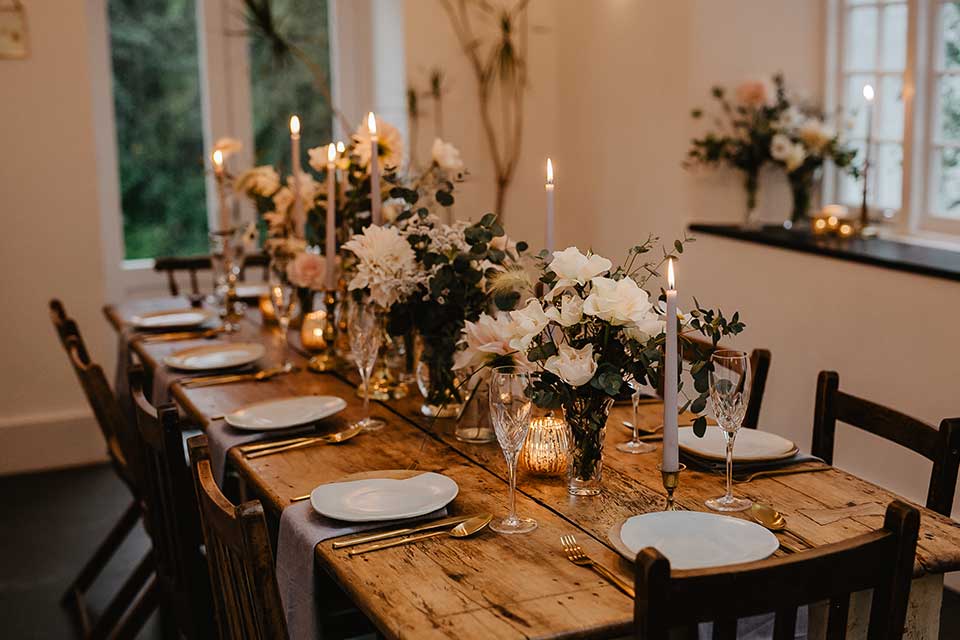
Ask a recently married couple what surprised them most about organising their day, and many will say the same thing: the invoices. A venue quote here, a catering deposit there, and suddenly a simple celebration has grown a five-figure price tag. The good news is that a wedding is one of the few big purchases where you hold nearly all the controls. With a clear plan, a lovely day does not have to mean a lasting dent in your finances.
What Weddings Really Cost
Industry surveys for 2026 put the typical UK wedding at a little over £20,000, not counting the engagement ring or honeymoon. That figure hides a wide spread. Some couples spend under £10,000, while others go well beyond £25,000, and costs climb noticeably in London and the South East compared with the North of England.
The takeaway when looking at wedding costs UK-wide is that an average is a benchmark, not a target. Your guest list, date and location will shape your total far more than any national figure. If your comfortable number is £8,000 or £12,000, that is a perfectly sound place to begin.
Start With the Number, Not the Dream Board
Most sensible wedding planning begins with money rather than mood boards. Sit down together and work out what you can afford, drawing on three sources:
- Your own savings, including what you can set aside each month until the date.
- Family contributions, which are best discussed early and with no strings attached.
- Anything you can realistically sell or reduce, such as a spare car or a holiday you can postpone.
Avoid borrowing to cover a celebration that lasts a day. Credit card interest can follow you into married life long after the flowers have wilted.
Build a Wedding Budget That Works
Once you have a total, divide it into categories and add a contingency of around 10 per cent for the surprises that nearly always arrive. A rough guide is that the venue and catering will take the largest share, followed by photography, attire, flowers, music and stationery.
Rank your priorities
Each of you should list your three must-haves, such as great food, a live band or a photographer you adore. Put money behind those first. Everything else can be trimmed without anyone noticing.
Don't forget the hidden extras
Items that often slip through include alterations to outfits, corkage, cake-cutting fees, travel and accommodation, wedding insurance, tips and the cost of favours. Adding them to your spreadsheet from the outset prevents nasty late-stage shocks.
Smart Ways to Save Money on a Wedding
If you want to save money on a wedding, the single most powerful lever is the guest list. Every extra person adds to catering, drinks, chairs and stationery. Trimming a list from 100 to 60 can lower your total more than haggling over a dozen smaller items.
The other big lever is timing:
- Choose a weekday or Sunday. Venues and suppliers often charge noticeably less than for a peak Saturday.
- Marry off-season. Winter and early spring dates are typically cheaper, and a candlelit venue has its own charm.
- Book early, but negotiate. Ask whether packages can be adjusted, or whether a weekday rate applies.
Cheap Wedding Ideas That Still Feel Special
Frugal does not have to mean flat. Several cheap wedding ideas work because they lean on atmosphere rather than expense:
- A register office ceremony followed by a meal at a favourite restaurant or pub.
- A village hall or community venue, dressed with fairy lights and seasonal greenery.
- Food that suits the crowd, such as a buffet, sharing platters or a street-food van, rather than a formal sit-down meal.
- In-season flowers from a local grower, or a few bold arrangements rather than lots of small ones.
- Pre-loved or hired outfits, plus a talented friend for hair or makeup if the offer is genuine.
- A curated playlist and a hired sound system instead of a full band.
Be wary of the DIY trap. Homemade décor can be rewarding, but it costs time, and on the final week that time is scarce. Take on only those projects you can finish well in advance.
Working With Suppliers Without Overspending
Get at least three quotes for the major items and ask exactly what each includes. Read contracts carefully, noting deposit amounts, cancellation terms and what happens if your guest numbers change. Be honest about your budget; many suppliers will propose a slimmed-down package if they know your limit, and some will happily advise where you can economise.
It is also worth asking about the cost of extras like overtime, delivery and set-up. A low headline price can balloon once these are added.
Keep the Meaning in Sight
It is easy for a wedding to become a list of purchases, yet the details guests remember are usually personal: a heartfelt speech, a song that means something, a room full of people who love you both. None of these depends on a large bill.
A realistic wedding budget is not about settling for less. It is about choosing deliberately, so that the money you do spend goes towards the moments that matter. Set your number, protect your priorities and give yourselves room to enjoy the day. You will start married life with memories rather than debts, and that is a promise worth keeping.