Lights, Camera, Confetti: How to Choose a Wedding Videographer
Years after the cake has gone and the flowers have faded, one thing can still bring back the exact sound of your grandmother's laugh or the wobble in your partner's voice during the vows. Photographs show you how a day looked. Film lets you hear and watch how it felt. Choosing the right person to capture it takes more care than simply picking the cheapest quote, so here is a practical route through the decision.
Why Film Deserves a Place in Your Planning
Many couples treat video as an optional extra and drop it when the budget tightens. It is worth pausing before you do. A wedding film records speeches, music, spontaneous reactions and the voices of guests who may not be around for ever. Good wedding planning means deciding early which moments matter most to you, because that shapes everything from the supplier you hire to the hours of coverage you need.
Decide on a Style First
Before you watch a single showreel, work out what kind of film you want. Most wedding videographer portfolios fall into a few broad approaches.
Cinematic
Think carefully composed shots, slow motion, a soundtrack and a story-driven edit. The result feels like a short film and is usually the most heavily produced option.
Documentary
This approach favours natural coverage of the day as it unfolds, often including full ceremonies and speeches with minimal direction. It suits couples who want an honest record rather than a polished production.
Highlights and Extended Edits
Many videographers offer a short highlights film of a few minutes, sometimes alongside a longer edit or complete recordings of key moments. Knowing which combination you want makes quotes much easier to compare.
Reading a Portfolio Properly
A showreel is a supplier's best work, so look beyond the first impression. Watch at least one complete wedding film rather than only the trailer, and notice a few specifics:
- Audio quality: can you clearly hear the vows and speeches, or is everything buried under music?
- Consistency: do the films look equally strong in dim churches, bright gardens and crowded receptions?
- Pacing: does the edit hold your attention, and does it feel true to the couple?
- Similar venues: have they filmed somewhere like yours, whether a marquee, a register office or a beach?
Questions to Ask Before You Book
A short call or meeting reveals as much as a portfolio. Among the most useful wedding video tips is to talk to the person who will actually film your day, not only a sales contact. Consider asking:
- Will you personally film our wedding, and will there be a second operator?
- How many hours of coverage are included, and what does overtime cost?
- What equipment do you use for sound, and what is your backup if something fails?
- How long does editing take, and how many revisions are included?
- In what formats and by what method will we receive the finished film?
- Do you carry insurance, and what happens if you are ill on the day?
Understanding Packages and Prices
Prices vary widely depending on location, experience, hours and the number of people filming. Rather than chasing the lowest figure, compare what each package actually contains. Editing often takes far longer than filming, which is why quotes can seem high for a single day's work.
| Check this | Why it matters |
|---|---|
| Hours of coverage | Determines whether preparations, ceremony and first dance are all included |
| Number of filmmakers | A second person captures different angles and reactions |
| Edit length and versions | Clarifies whether you receive a highlights film, a full edit or both |
| Delivery and storage | Affects how long you can access and download your film |
| Travel costs | Can add to the total for distant venues |
Sound, Equipment and Practicalities
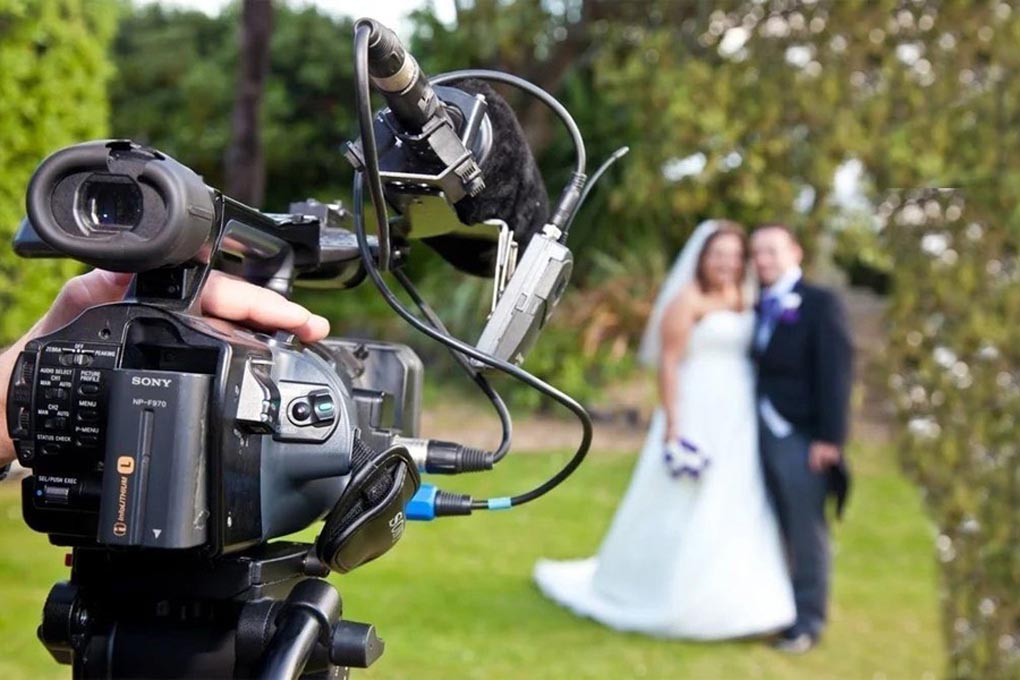
Vows spoken quietly across a large room are easily lost. Ask whether the videographer uses discreet microphones on the groom or officiant, and whether they will coordinate with your DJ or band to record clean audio. Check with your venue too, as some churches and ceremony spaces restrict filming positions, lighting or drones.
Making It Work With Your Other Suppliers
Smooth cooperation between professionals shows in the final film. When hiring wedding suppliers, tell your photographer and videographer about each other early, and share your timeline so neither is blocked at a key moment. A short list of must-have shots, such as a grandparent's toast or a family moment, helps far more than a long one.
Read the Contract Carefully
Once you have found your match, get everything in writing. The contract should cover the date, hours, deliverables, payment schedule, cancellation terms and what happens if the supplier cannot attend. Check who owns the footage and whether you may share the film online, and ask about a backup of raw footage.
The Final Cut
The best choice is rarely the flashiest showreel. It is the filmmaker whose style you love, whose communication is clear and whose contract leaves no loose ends. Take your time, trust your instincts when you watch their work, and you will end up with a wedding film you will happily replay for decades.