An Introduction to Aikido: The Art of Harmony, Past and Present
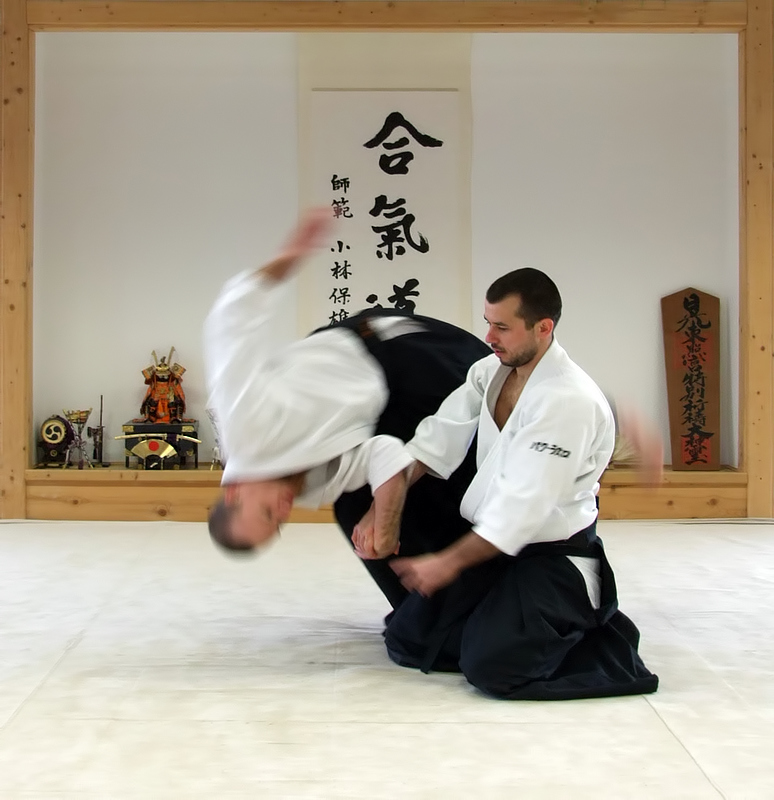
Aikido was once spoken of as one of the most fashionable martial arts in the West. Today the picture is quite different. Interest in the art has declined for years: search interest is down by about 93 percent since 2004, many practitioners in the United States are ageing, and Brazilian jiu-jitsu (BJJ) has overtaken it in popularity. Yet Aikido remains an art rich in history and tradition, one that began in Japan in the 1940s and still has plenty to offer anyone curious about it.
The Founder: Morihei Ueshiba
Aikido's founder, Morihei Ueshiba, was born on 14 December 1883. While growing up in modern Japan, he saw local thugs attack his father. The young boy resolved to make himself strong so that he could take revenge. Ueshiba was strong-willed and devoted every waking moment to physical training and martial arts.
He received many certificates in jujitsu, spear fighting and fencing. Impressive as his abilities were, he was not happy with his skills. He sensed that there was more to learn, and began to look into religion, hoping to find a greater significance in life while continuing to pursue martial arts.
How Aikido Took Shape
Ueshiba founded Aikido by combining his religious beliefs with his martial training. At first the style was known as aikibudo, and it was not until 1942 that he settled on the name Aikido. The style was quite different from what had gone before, drawing on several kinds of jujitsu, aiki-jujitsu, and spear and sword fighting techniques.
Although many people think of Aikido as the ultimate martial art, it is rooted in religion and harmony. It uses joint locks, weight manipulation and throws to achieve its purpose. It is a very effective art, which was Ueshiba's intention from the start, and its many techniques are the result of his creative innovation.
Philosophy: Harmony and Peace of the Spirit
Contrary to what many assume, there is no single unified belief or philosophy in Aikido. While the art is indeed rich in heritage and religion, it centres on harmony and peace of the spirit. Ueshiba believed that by achieving a higher spiritual power, the human body is capable of anything. Even though he had once wanted revenge, he stated that Aikido was not about fighting, but a way to reconcile with the world and make every human being part of one giant family.
Aikido in America: Fame, Then Fade
Aikido reached America in the twentieth century and found an enthusiastic audience. Its best-known screen ambassador was the actor Steven Seagal, whose action films of the 1980s and 1990s introduced many viewers to its throws and joint locks. That association has aged badly. Seagal has been a Russian citizen since 2016 and is now widely known for his ties to Vladimir Putin, and many within the Aikido community regard his public image as problematic. His fame as an Aikido film star belongs largely to a bygone era and does not reflect the art's philosophy of harmony.
Even so, there are still dojos across North America that teach Aikido, possibly even some in your area. Fewer than there once were, perhaps, but those that remain tend to be dedicated and welcoming. Aikido will teach you self-defence, and it can also teach you harmony of the spirit and a path towards inner peace.