Crumble Season: Apple Crumble with a Properly Crisp Topping
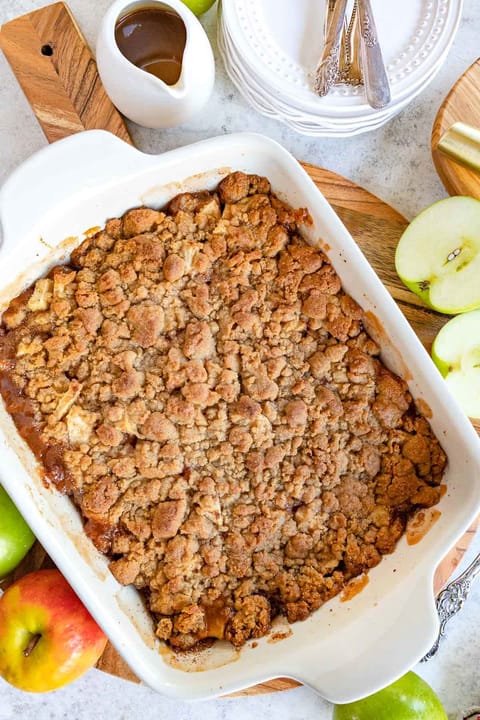
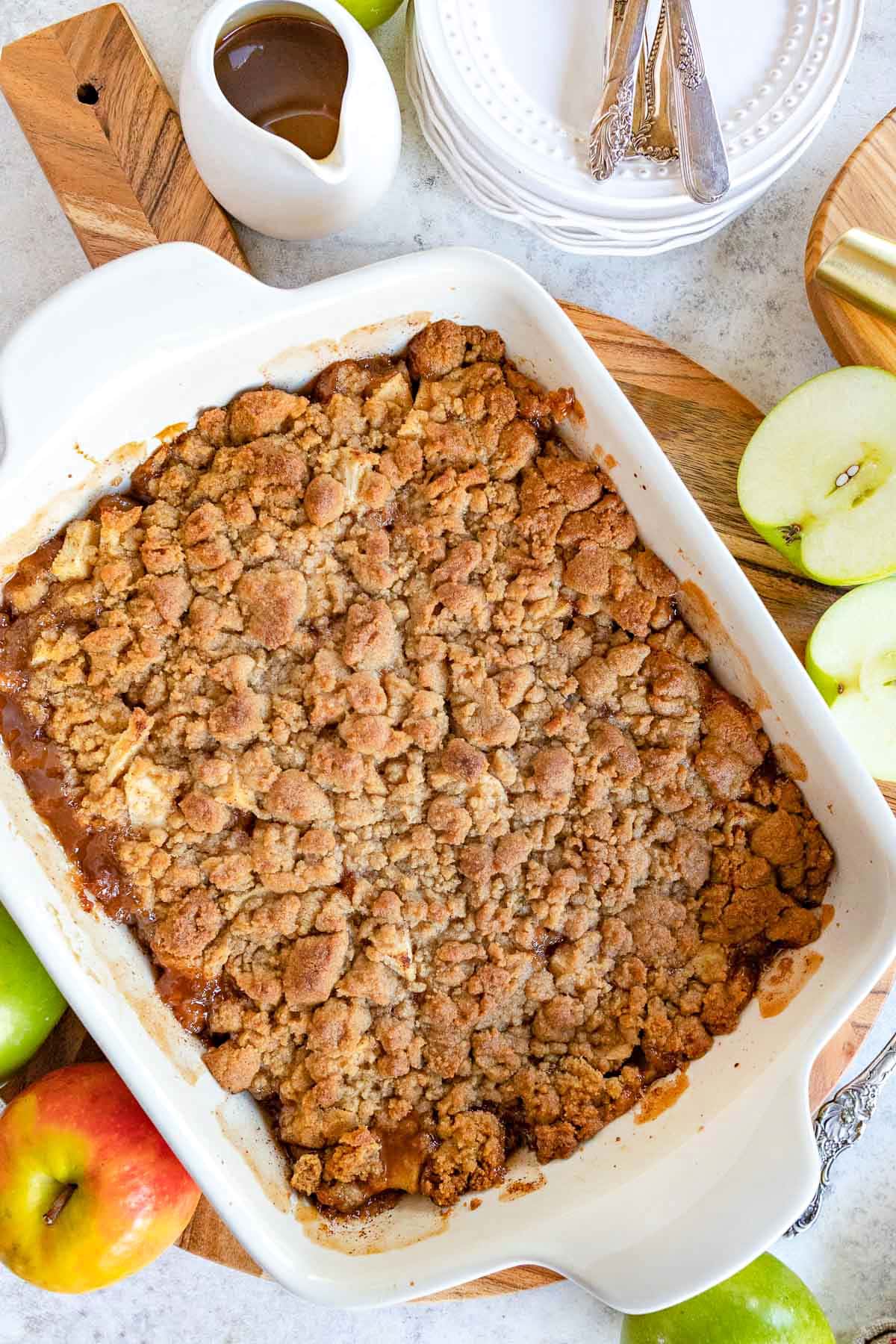
There is a particular sound a good crumble makes when a spoon breaks through the lid: a soft crunch, then a gentle slump into steaming fruit. It is the reason this pudding has stayed a fixture of British kitchens for generations. It is also one of the most forgiving puddings you can make. The one real hazard is a topping that turns damp and pasty. This apple crumble recipe is built to avoid that.
Why Crumble Endures
Crumble is a child of thrift. It is generally thought to have gained popularity in Britain during the Second World War, when rationing made pastry, with its demands for fat and flour, a luxury. A scattering of flour, fat and sugar over fruit was a cheaper way to a satisfying pudding. Today it sits comfortably among the best-loved British puddings, and it remains an easy dessert for a weeknight or a Sunday lunch because it needs no rolling, no chilling and very little skill.
Choosing Your Apples
For a classic result, reach for Bramley apples. This large, green cooking variety is sharp enough to need sugar, and it softens into a fluffy, almost sauce-like texture as it bakes. If you prefer fruit that holds some shape, replace a third of the Bramleys with a firm eating apple such as a Cox or a Braeburn. That gives you soft, tangy pulp alongside tender pieces.
If you cannot find Bramleys, choose the tartest apples available and reduce the sugar slightly if they are sweet.
The Ingredients
This serves six generously.
For the filling
- 1kg Bramley apples (about three large ones)
- 50-75g caster sugar, depending on the apples and your taste
- 1 tsp ground cinnamon, or a pinch of cloves for a deeper flavour
- A squeeze of lemon juice
For the crumble topping
- 175g plain flour
- 100g cold butter, cut into small cubes
- 75g demerara sugar
- 30g rolled oats (optional, for extra crunch)
- A pinch of salt
Method, Step by Step
- Heat the oven to 190°C (170°C fan, gas mark 5) and have a 1.5-litre baking dish ready.
- Prepare the fruit. Peel, core and cut the apples into chunks of about 2cm. Keep the pieces fairly even so they cook at the same rate.
- Soften the apples. Tip them into a pan with the sugar, cinnamon and lemon juice, and cook gently for five to eight minutes, stirring now and then, until just starting to soften. This step helps prevent a hollow gap forming under the topping as the fruit collapses.
- Make the topping. Mix the flour, salt and butter in a large bowl. Rub the butter in with your fingertips until the mixture looks like coarse breadcrumbs, with a few pea-sized lumps left in. Stir in the sugar and oats.
- Assemble. Spoon the warm apples into the dish, then scatter the topping over the top. Do not press it down.
- Bake for 35 to 45 minutes, until the top is deeply golden and the fruit is bubbling at the edges.
Secrets of a Crisp Topping
The texture of the lid is what separates a good crumble from a forgettable one. A few habits make the difference.
- Keep the butter cold. Warm butter melts into the flour and creates a paste. Cold butter bakes into crisp, sandy clusters.
- Stop rubbing in early. Over-working the mixture makes a uniform, dense crumb. Some irregular lumps give the topping its rugged crunch.
- Use some coarser sugar. Demerara does not dissolve fully and adds a caramelised bite.
- Scatter loosely. Packing the topping down traps steam and makes it heavy. A loose layer lets air circulate.
- Avoid excess liquid. Bramleys release plenty of juice. Skip any added water, and let the cooked fruit cool slightly before assembling.
- Bake on a tray. Placing the dish on a baking sheet catches any bubbling juices and helps the base heat evenly.
Variations Worth Trying
Once you are comfortable with the basic method, there is plenty of room to adapt it. Add a handful of blackberries to the apples in early autumn, or stir in sultanas soaked in tea. Chopped hazelnuts or flaked almonds can replace the oats in the topping, and ground ginger makes a warming alternative to cinnamon. For a gluten-free version, swap in a gluten-free plain flour blend and add a little extra oat for structure.
The topping can be made ahead and frozen in a bag, then sprinkled over the fruit straight from the freezer. Add a few extra minutes to the baking time.
Serving and Storing
Let the crumble rest for about ten minutes after it leaves the oven, so the juices settle and the topping firms up. Custard is the traditional partner, though double cream, vanilla ice cream or a spoonful of thick Greek yoghurt all work well.
Leftovers keep in the fridge for up to two days. Reheat them uncovered in a moderate oven to bring back some of the crunch, since the microwave tends to soften the topping.
The Takeaway
A great crumble relies on a handful of simple decisions: tart fruit, cold butter, a light hand and a loose scattering. Get those right and you have a dependable easy dessert that suits the colder months and rewards very little effort. Keep this method in your repertoire and you will always have a warm, golden pudding within an hour.