Under Pressure: How High Blood Pressure Damages the Heart
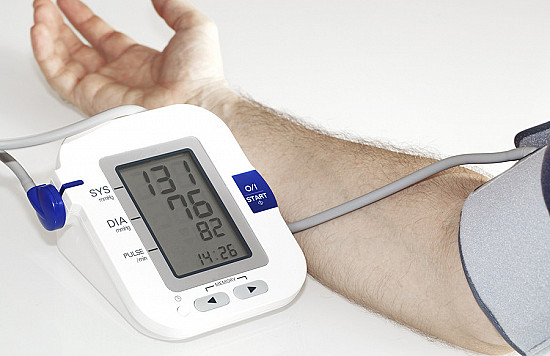
Imagine a pump that has to push water through a pipe that is slowly narrowing. For a while it copes by working harder, but over the years the strain wears it down. That, in simple terms, is what high blood pressure does to the heart. When the damage builds up, doctors call the result hypertensive heart disease. It is one of the most common ways in which untreated or poorly controlled hypertension harms the body, and it is also one of the most preventable.
What is hypertensive heart disease?
Hypertensive heart disease is a group of heart problems caused by long-term high blood pressure. It is not a single condition. It covers changes to the heart muscle, the heart's electrical rhythm, the blood supply to the heart and, eventually, the heart's ability to pump effectively. Because high blood pressure usually causes no symptoms in its early stages, many people have it for years without knowing.
How high blood pressure changes the heart
Every time the heart beats, it must push blood out against the pressure in the arteries. When that pressure is persistently raised, the heart has to generate more force, and its response follows a fairly predictable pattern.
Thickening of the heart muscle
Like any muscle that is made to work harder, the wall of the left ventricle, the heart's main pumping chamber, gradually thickens. This is known as left ventricular hypertrophy. It may seem helpful at first, but the thickened muscle becomes stiff, needs more oxygen and does not relax properly between beats.
Stiffness and heart failure
A stiff ventricle struggles to fill with blood, which can lead to a form of heart failure in which the heart still squeezes well but cannot fill properly. In later stages, the muscle can also weaken and stretch, so that it no longer pumps strongly. Fluid may then back up into the lungs, legs and abdomen.
Related problems
High blood pressure also speeds up the narrowing of the coronary arteries, which raises the risk of angina and heart attack. Changes in the heart's structure can disturb its rhythm too, and atrial fibrillation, an irregular and often rapid heartbeat, is a common consequence.
Symptoms to watch for
In the early stages there may be nothing to notice. When symptoms do appear, they tend to reflect a heart that is struggling. They include:
- Breathlessness, especially on exertion or when lying flat
- Unusual tiredness and reduced ability to exercise
- Swollen ankles, feet or legs
- Chest pain or tightness
- Palpitations or an uneven heartbeat
- Dizziness or fainting
Chest pain, sudden severe breathlessness or fainting needs urgent medical attention.
Who is most at risk?
Anyone with persistently high blood pressure can develop the condition, and the longer the pressure stays high, the greater the risk. Other factors make matters worse. These include age, a family history of heart disease, diabetes, obesity, high cholesterol, smoking, heavy drinking, a diet high in salt, a lack of physical activity and chronic kidney disease. Sleep apnoea, a condition in which breathing repeatedly pauses during sleep, is also linked to raised blood pressure and heart strain.
How it is diagnosed
The starting point is a blood pressure check, ideally repeated on several occasions or monitored at home or over 24 hours to confirm a true pattern. If a doctor suspects heart involvement, they may arrange further tests:
- Electrocardiogram (ECG): records the heart's electrical activity and can show thickening or rhythm problems.
- Echocardiogram: an ultrasound scan that shows the size, wall thickness and pumping action of the heart.
- Blood and urine tests: check kidney function, cholesterol, blood sugar and other markers.
- Stress tests or heart imaging: help assess blood supply to the heart muscle.
Treatment: lowering the pressure, protecting the heart
The central aim is to bring blood pressure under control and keep it there. That often reduces strain on the heart and, in some people, can even allow some of the thickening to ease.
Lifestyle changes
These form the foundation of care. Cutting back on salt, eating plenty of vegetables, fruit and whole grains, keeping to a healthy weight, being physically active most days, limiting alcohol and stopping smoking all make a measurable difference to blood pressure and overall heart risk.
Medication
Many people also need tablets, often more than one type. Common choices include ACE inhibitors, angiotensin receptor blockers, calcium channel blockers and diuretics. Beta-blockers may be used where there is angina, a previous heart attack or a rhythm problem. If heart failure has developed, additional medicines can help the heart work more efficiently and relieve fluid build-up. Blood-thinning treatment may be recommended for those with atrial fibrillation. Anyone on medication should not stop it suddenly without medical advice, even if they feel well.
Prevention starts with knowing your numbers
Because high blood pressure is so quiet, regular checks are the best defence. Many pharmacies and surgeries offer them, and home monitors are widely available. If your readings are raised, ask what your target should be and how often to be rechecked. Small, steady improvements in habits, combined with taking prescribed medicines as directed, can cut the risk of lasting damage considerably.
Why it matters
Hypertensive heart disease develops slowly, which is both its danger and its opportunity. The heart adapts for years, so the damage often goes unnoticed until it is advanced. But every sustained reduction in blood pressure takes some of the load off the heart. Knowing your numbers, acting on them and keeping up with treatment can protect your heart for the long term.