Wrapped with Care: Eco-Friendly Gifts That Cut the Waste
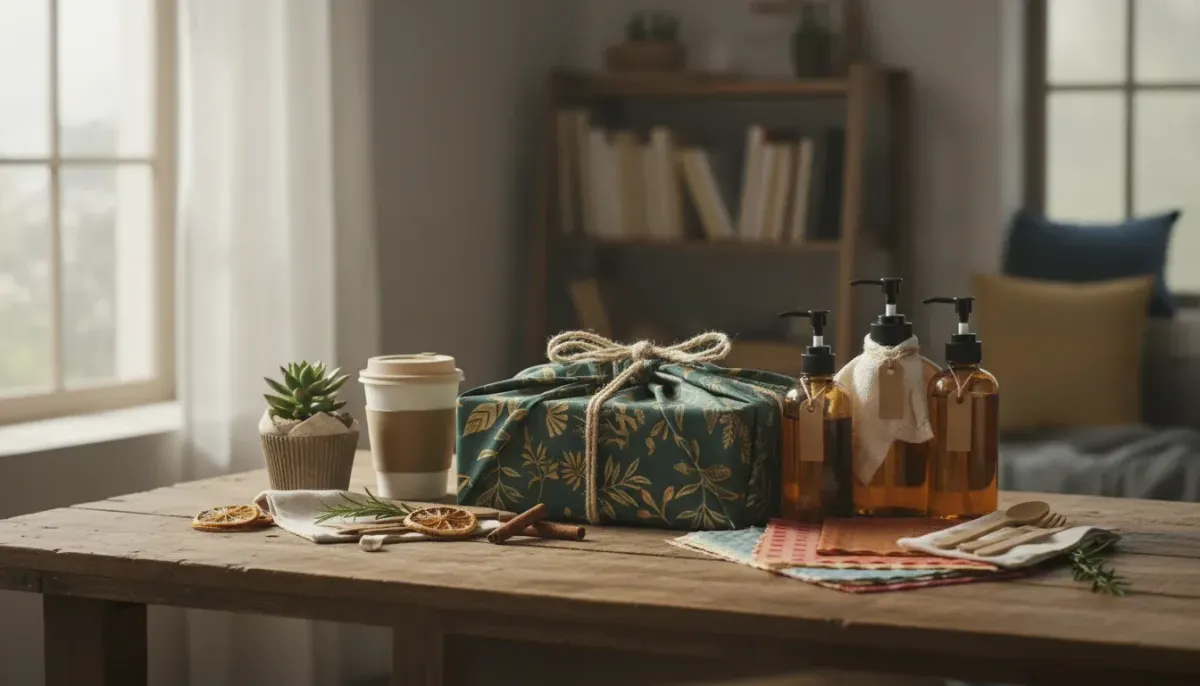
Every year, the same scene plays out in countless living rooms: a flurry of torn paper, a tangle of sticky tape and a bin bag stuffed to bursting before the first cup of tea has cooled. The gift itself may be cherished, but its wrapping lasts only a few seconds. Thinking again about both the present and its packaging is one of the simplest ways to make celebrations kinder to the planet, and to your cupboards.
Why the Wrapping Matters
Much of the gift wrap on sale is hard to recycle. Paper that is laminated, metallic or coated in glitter generally cannot be processed with ordinary paper recycling, and plastic ribbons and sticky tape complicate matters further. A handy rule of thumb is the scrunch test: if a ball of paper stays scrunched when you squeeze it, it is usually plain paper and more likely to be recyclable. If it springs back, it probably contains plastic or foil. Your local council's guidance is the final word, as rules vary between areas.
Wrapping is only half the picture, though. A present that is unwanted, unused or quickly discarded creates waste of its own, however beautifully it is presented. That is why green gifting works best when it considers the whole journey, from choosing the item to what happens after it is opened.
Sustainable Gift Ideas That Do Not Add Clutter
The most thoughtful sustainable gift ideas are often those that get used up, enjoyed or experienced rather than stored away. Consider the following categories.
Consumables and experiences
- Food and drink: locally made chutneys, loose-leaf tea, speciality coffee, or a homemade batch of biscuits or granola in a reusable jar.
- Experiences: theatre tickets, a pottery class, a day pass to a nature reserve or a voucher for a favourite restaurant.
- Plants and seeds: a herb pot, a packet of wildflower seeds or a houseplant cutting you have propagated yourself.
- Time and skills: a promise to cook dinner, babysit or teach a recipe often means more than an object.
Refillable and long-lasting products
Refillable items let the recipient keep using something without buying new packaging each time. Look at solid or refillable skincare and cleaning products, a quality fountain pen with ink refills, or a reusable water bottle or coffee cup that suits the person's daily routine. Because the item is useful and well made, it is more likely to stay in use for years.
Second-hand and handmade
Pre-loved books, vintage jewellery, restored furniture and charity-shop finds can make characterful eco-friendly gifts. Handmade presents, such as a knitted scarf, a framed photograph or a jar of home-baked treats, carry personal meaning that shop-bought items struggle to match. Choosing items made to last, ideally with repairable parts or a good warranty, also helps keep things out of landfill.
Plastic-Free Wrapping That Looks Good
Attractive presentation does not require single-use materials. Plastic-free wrapping can be inventive, affordable and surprisingly elegant.
Fabric wrapping
Wrapping gifts in cloth is an old idea, and the Japanese tradition of furoshiki, which involves folding and knotting a square of fabric around an item, has become popular for good reason. A scarf, tea towel, bandana or offcut of cotton can be tied around a present and then kept by the recipient, who can use it again. Fabric is forgiving of awkward shapes, needs no tape and can be passed from one giver to the next.
Paper and other alternatives
- Plain brown kraft paper: usually recyclable, and easily dressed up with twine, a sprig of rosemary or a hand-drawn pattern.
- Old maps, sheet music or newspaper: reused paper with plenty of character.
- Children's artwork: a charming option for relatives who will appreciate it.
- Tins, jars and baskets: containers that become part of the gift.
- Cloth ribbon or twine: alternatives to plastic ribbon that can be saved and reused.
Where possible, use paper-based tape or fasten parcels with string, and avoid glitter and foil embellishments.
Making It a Habit
Small routines help. Save bags, boxes, ribbon and fabric throughout the year so you are not buying new materials in a rush. Unwrap presents carefully and fold paper for reuse where it is intact. Ask friends and relatives what they would actually like, or share a wish list, so that gifts are wanted rather than merely polite.
It also helps to be open about your approach. A short, friendly note saying you would love the fabric wrap returned, or that you prefer experiences to objects, usually goes down well and can start a useful conversation.
Generous, Not Wasteful
Giving well has never depended on the amount of paper involved. Zero waste presents are about attention: choosing something that will be used, wrapping it in a way that can be reused, and thinking about what happens next. Start with one or two changes this season, perhaps a fabric wrap here and a homemade treat there, and let the habit grow. The result is less landfill, less clutter and gifts that feel more personal.