Rice, Veils and Sixpences: The Stories Behind Wedding Traditions
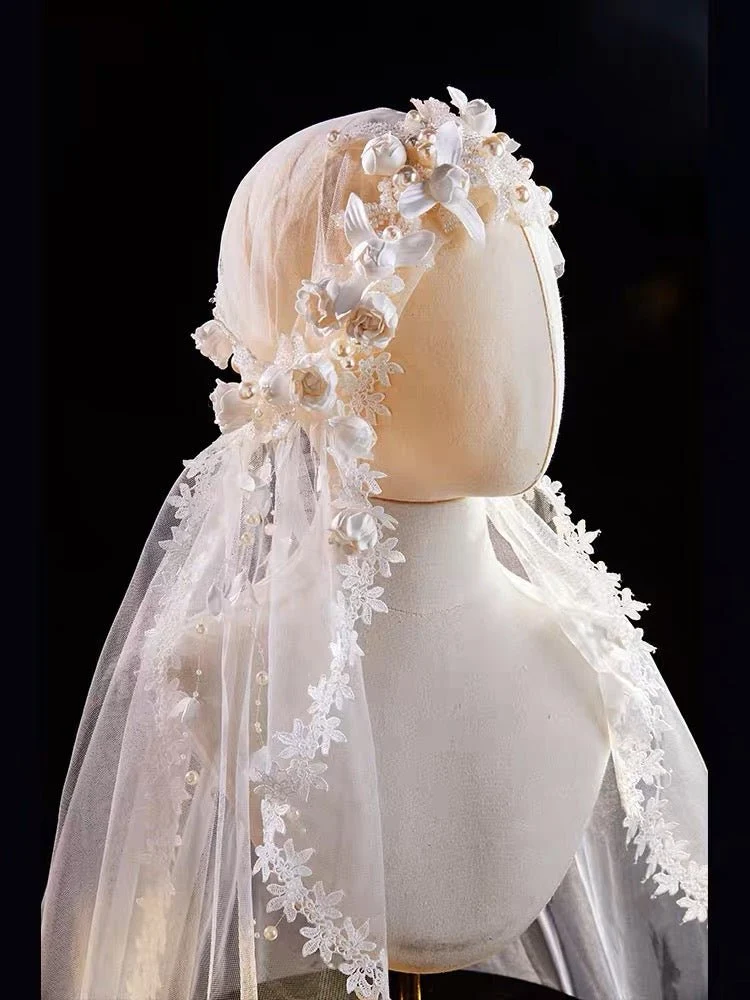
A sixpence in the shoe is not something most brides plan for now, yet the habit of slipping a coin into a wedding outfit has outlived the coin itself. Much of what happens at a wedding is like this: a gesture repeated because it feels right, with its original meaning long forgotten. Behind the confetti and the cake lies a patchwork of ancient belief, practical necessity and Victorian invention.
The Rhyme That Became a Checklist
The best-known of all wedding traditions is the English rhyme that tells a bride to carry something old, something new, something borrowed and something blue, with a sixpence for her shoe. It was recorded in the nineteenth century, though the beliefs inside it are probably older. Each item was once thought to bring a particular blessing.
- Something old linked the bride to her family and her past.
- Something new looked ahead to the couple's future happiness.
- Something borrowed was ideally taken from a happily married friend, in the hope that her good fortune would be passed on.
- Something blue stood for fidelity and constancy.
- The sixpence was a wish for prosperity.
Today the something old something new routine is often a sentimental game: a grandmother's brooch, a pair of fresh shoes, a borrowed hairpin and a blue ribbon sewn inside the hem.
Why Brides Wear White and Veils
It is easy to assume that white has always been the colour of weddings. In fact, for most of wedding history, women simply wore their best dress, whatever its colour. White was fashionable among the wealthy, but it became a mass ideal after Queen Victoria married Prince Albert in 1840 wearing white satin. Newspapers and magazines carried the image across the country, and the style spread as dressmaking and incomes allowed.
The veil has a deeper pedigree. Roman brides wore a bright, flame-coloured veil, and in various cultures a covering was thought to shield the bride from envious spirits or the evil eye. In arranged marriages, it also hid her face until the ceremony was done. Over the centuries the veil changed from a protective cloak into a romantic accessory.
Rings, Cakes and Confetti
The ring
Circles have signified eternity since antiquity, and rings of braided reeds were exchanged in ancient Egypt. The idea that the ring goes on the fourth finger of the left hand because a vein runs directly from it to the heart is a charming old belief, though anatomy does not support it. It nonetheless explains why the custom has endured in so many places.
The cake
The modern wedding cake descends from far humbler foods. In Roman times, a loaf of barley or wheat was sometimes broken over the bride's head as a symbol of fertility. Later, guests in Britain brought small cakes and piled them up for the couple to kiss over. Sugar icing and tiered designs arrived in more recent centuries, and keeping the top tier for a christening became a well-known British habit.
The shower of good wishes
Throwing grain at newlyweds was a wish for abundant harvests and children. Rice later took over in many places, and now venues often prefer paper confetti, dried petals or bubbles, which are kinder to the grounds and to wildlife. In Italy, sugared almonds are given to guests, a custom that blends sweetness with good luck.
Wedding Superstitions Worth Knowing
Many wedding superstitions grew from anxiety about a major life change. The belief that the groom must not see the bride before the ceremony is often traced to the days of arranged marriages, when families feared that a glimpse of an unfamiliar bride might lead to second thoughts. Later it was reframed as a matter of luck, and it also builds a dramatic moment at the church door.
Other beliefs have stuck as well:
- Carrying the bride over the threshold may come from the fear that a threshold was a doorway for evil spirits, and that a bride's stumbling there would be an ill omen.
- Bridesmaids in matching dresses may once have helped to confuse malevolent spirits, with several women dressed alike so that the real bride was harder to find.
- Rain on the wedding day is, depending on where you live, either a sign of fertility and good fortune or something to be endured with an umbrella.
- The day of the week mattered too. An old rhyme ranks the days for marriage, praising some and warning against others.
Some popular stories, such as the supposed origin of the best man as a helper who captured brides, are told with confidence but rest on weak evidence. It is wise to treat the more colourful origin tales with caution.
Bridal Customs Around the World
Wedding customs differ widely, which shows how flexible the whole idea is. Henna patterns are painted on brides in parts of South Asia, the Middle East and North Africa. Tea ceremonies honour elders in Chinese weddings. Jumping the broom has a place in some African American celebrations, and in some Scandinavian traditions a bride's crown is treasured. Despite the different forms, the themes are strikingly similar: protection from harm, hope for fertility and prosperity, and the joining of two families.
Why the Old Ways Still Matter
Couples today are free to pick and choose. Some keep every bridal custom from a grandmother's list; others skip the veil, walk down the aisle together or serve doughnuts instead of cake. Knowing the stories behind the rituals makes that choice more meaningful. A tradition kept for a reason you understand feels very different from one followed out of habit, and one dropped on purpose is no less loving. Whether you carry a blue ribbon or a lucky sixpence, you are taking part in a very long conversation about hope, luck and commitment.