Fight Night Fundamentals: What to Know Ahead of UFC 333
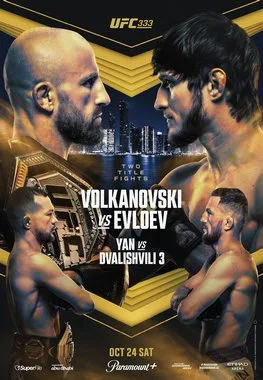
Since the first UFC event took place in Denver in 1993, the promotion has numbered its biggest shows in a running sequence, and by the time the count reaches UFC 333 that sequence has grown into one of the longest in modern sport. A number on a poster is shorthand for something specific: a flagship card, built around the best-known names and the most significant title contests the company can assemble. This guide explains what that means and how to follow the event.
A note on accuracy first. Fight cards in mixed martial arts change often, because injuries, visa issues and weight-cutting problems can reshape a bill within days. This article therefore does not list a confirmed line-up, date or venue. Instead, it explains the framework so you can read the official announcements with a trained eye.
What the Number Means
Not every UFC show gets a number. The company runs two broad types of event. Numbered cards, such as UFC 333, are the headline productions, traditionally sold as premium broadcasts and staged in major arenas. Unnumbered shows, usually called Fight Nights, are generally smaller in scale and are often named after the city or venue that hosts them.
The numbering is simply sequential, so UFC 333 follows UFC 332 and precedes UFC 334. It carries no hidden meaning beyond its place in the series, but fans treat milestone numbers with extra interest, and each new entry is expected to deliver at least one fight that matters to a divisional title picture.
How a Numbered Card Is Built
Most large UFC events follow a familiar structure, which helps you work out when the important fights will start.
- Early preliminary bouts: the opening fights, often featuring newer or less established fighters.
- Preliminary card: a stronger group of bouts, usually shown on a more widely available broadcast.
- Main card: typically five fights, building towards the main event and often including a co-main event of real significance.
The order of fights is decided by the promotion, and the main event is not always a title fight, although title bouts normally take the top slot on numbered cards.
Rules, Rounds and Scoring
Round lengths
Under the Unified Rules of Mixed Martial Arts, each round lasts five minutes. Championship fights and main events are scheduled for five rounds, while the rest of the card runs to three. Rest between rounds is one minute.
How fights are won
A contest can end by knockout, technical knockout (when the referee or doctor stops it), submission, disqualification or decision. If it goes the distance, three judges score each round using the ten-point must system: the winner of a round normally receives ten points and the loser nine or fewer, depending on how dominant the round was. Effective striking and grappling, aggression and control of the fight area all feed into those scores.
Fouls
Eye pokes, strikes to the back of the head and groin strikes are among the prohibited actions. Repeated or serious fouls can lead to point deductions or disqualification.
Weight Classes and Titles
The UFC organises its fighters into weight divisions so that opponents are broadly matched in size. The men's divisions run from flyweight up through bantamweight, featherweight, lightweight, welterweight, middleweight and light heavyweight to heavyweight. The women's divisions include strawweight, flyweight and bantamweight, with a featherweight division also existing.
Each division has a champion, and some titles may also be contested on an interim basis if the champion is unavailable. Fighters must make the contracted weight at the official weigh-ins, held the day before the event, and failing to do so can bring a fine or the loss of the chance to win a title.
How to Follow UFC 333 Like a Regular
If you are new to the sport or simply want to be better prepared, a few habits help.
- Check official sources: the UFC's own channels and your local broadcaster will confirm the date, venue, start times and any changes to the card.
- Watch the weigh-ins: they are often the first sign of whether a fight is going ahead as planned.
- Learn the styles: a striker facing a wrestler, for example, is really a contest about where the fight takes place.
- Mind the time difference: main cards on major events often begin late in the evening in the UK and can run into the early hours.
- Avoid unofficial streams: they are unreliable and may break the rights holders' terms. Use your region's authorised broadcaster.
Why Numbered Events Matter
For fighters, a spot on a numbered card brings visibility, bigger purses and a clearer route to the championship picture. For fans, these events offer the best chance of seeing divisional storylines resolved in a single evening: a champion defending against a rising contender, a veteran attempting a late-career return, or a prospect stepping up in class.
They also tend to shape what follows. Results on a card like UFC 333 can reorder rankings, spark rematches and set up the next round of title contests, which is why even casual followers often check the outcome the morning after.
The Bottom Line
UFC 333 is best understood as one more chapter in a long-running series, defined by its place among the promotion's flagship events rather than by its number alone. Before you plan your viewing, confirm the card, timings and broadcast details through official channels, and remember that in a sport this unpredictable, the line-up you see today may not be the one that steps into the cage.