Remembrance Day: pause, reflect, remember those who gave their lives
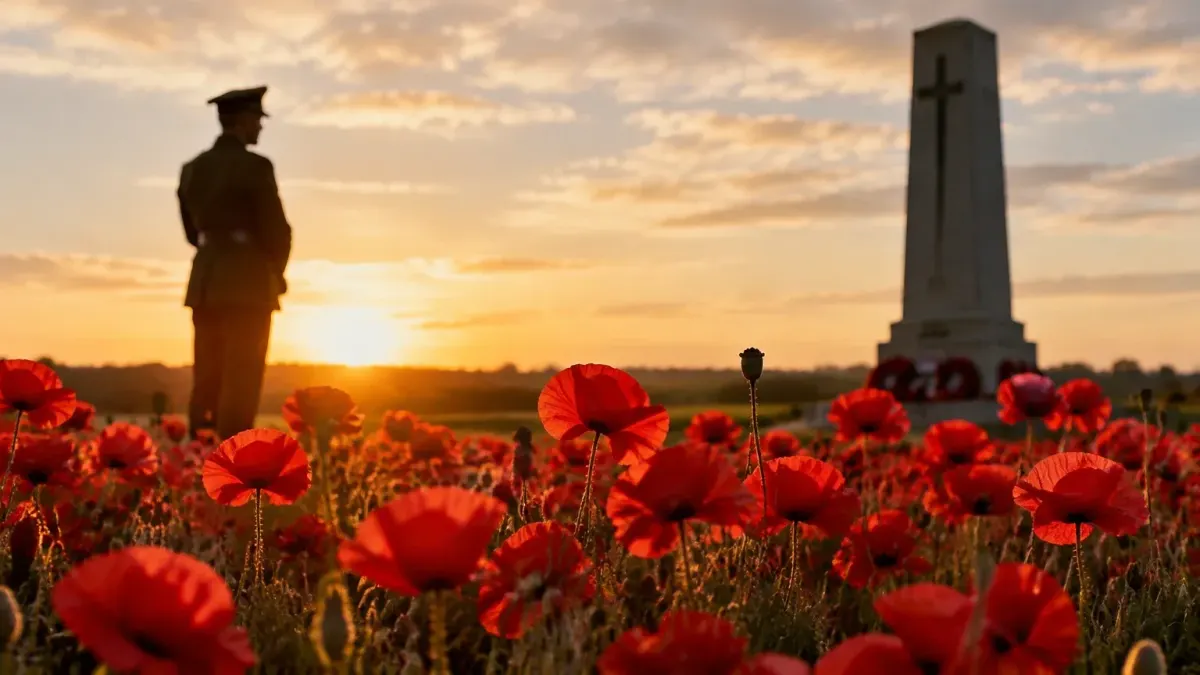
Each November, the country slows down for a moment to remember the men and women who died in war and in service. This year, Remembrance Sunday is on Sunday, 8 November 2026, and Remembrance Day itself is on Wednesday, 11 November. Here is a short guide to what the day means, where its traditions come from, and how you can take part.
What Remembrance Day marks
Remembrance Day goes back to the end of the First World War. An armistice, which was an agreement to stop fighting, came into effect on the western front at 11am on 11 November 1918. That is why the eleventh hour of the eleventh day of the eleventh month is so closely tied to remembrance.
The first anniversary was marked in 1919, and the two-minute silence became part of it from the start. The idea was simple: stop what you are doing, stand quietly, and think of those who did not come home.
From Armistice Day to a wider remembrance
After the Second World War, the day's meaning grew. It came to honour those who died in both world wars and in the conflicts since. Today we remember members of the armed forces, and also the many people who served and supported them in other ways. The ceremonies are about loss, but also about gratitude.
Remembrance Day and Remembrance Sunday
The two dates can be confusing, so here is how they differ.
- Remembrance Day is 11 November, whatever day of the week it falls on. Many people pause for a silence at 11am.
- Remembrance Sunday is the second Sunday of November. National and local services take place, including the main ceremony at the Cenotaph in Whitehall, London.
In many towns and villages, communities gather at their own war memorials on the Sunday. Veterans, serving personnel, cadets, faith groups and families lay wreaths and listen to the names of the fallen being read.
Why we wear poppies
The red poppy is the best-known symbol of remembrance. Poppies were among the first flowers to bloom on the churned-up battlefields of the Western Front, and the image was made famous by the poem In Flanders Fields, written during the First World War by the Canadian doctor John McCrae.
In Britain, poppies were first sold in aid of ex-servicemen in 1921. The Royal British Legion still runs the annual Poppy Appeal, and the money raised supports serving personnel, veterans and their families. Wearing a poppy is a personal choice. For many people, it is a small and quiet way to say that they have not forgotten.
A day shared around the world
Remembrance is not only a British tradition. Canada, Australia, New Zealand and many other Commonwealth countries mark 11 November or a nearby date in their own ways. In the United States, the same date is Veterans Day, which honours all who have served. The customs differ, but the purpose is the same: to value the sacrifice of those who gave their lives for others.
Remembering the person behind the name
It is easy to think of war in large numbers and dates. But every name on a memorial belonged to someone: a son or daughter, a parent, a friend, a neighbour. Many were very young. Remembering them as individuals is a powerful part of the day.
Many war memorials in our own towns list local people who never returned. If you have a few spare minutes, read the names on yours. You may spot a surname you know, or find that several family members are listed together.
Simple ways to take part
You do not need to attend a large ceremony to observe the day. Here are some ideas:
- Keep the silence. Pause at 11am on Wednesday, 11 November, for two minutes, at home, at work or at school.
- Attend a local service. Check your town or community noticeboards for Remembrance Sunday events on 8 November.
- Wear a poppy. Support the appeal and show your respect.
- Talk with your family. Share any stories you know about relatives who served, and encourage children to ask questions.
- Learn something new. Read about the history behind the day, or look up the story of someone named on your local memorial.
- Support veterans. Remembrance is also about the living, so consider a donation or a kind word to someone who has served.
Talking to children about remembrance
Younger people often have thoughtful questions. It helps to keep your answers honest, calm and age-appropriate. You can explain that many people died helping to protect others, and that we stop to say thank you and to remember them. Making a paper poppy, visiting a memorial together or watching a ceremony can make the day feel real without being frightening.
Why it still matters
Remembrance is not about glorifying war. It is about acknowledging the cost of conflict and the courage of those who answered the call. It also reminds us how precious peace is, and how much we owe to people who never had the chance to see the world they helped to protect.
This year, we invite you to take two minutes at 11am on Wednesday, 11 November. Put down your phone, stand still, and think of those who gave their lives for us. It is a small act, but it matters.