Fast, Simple, Everywhere: How Google Chrome Came to Rule the Browser
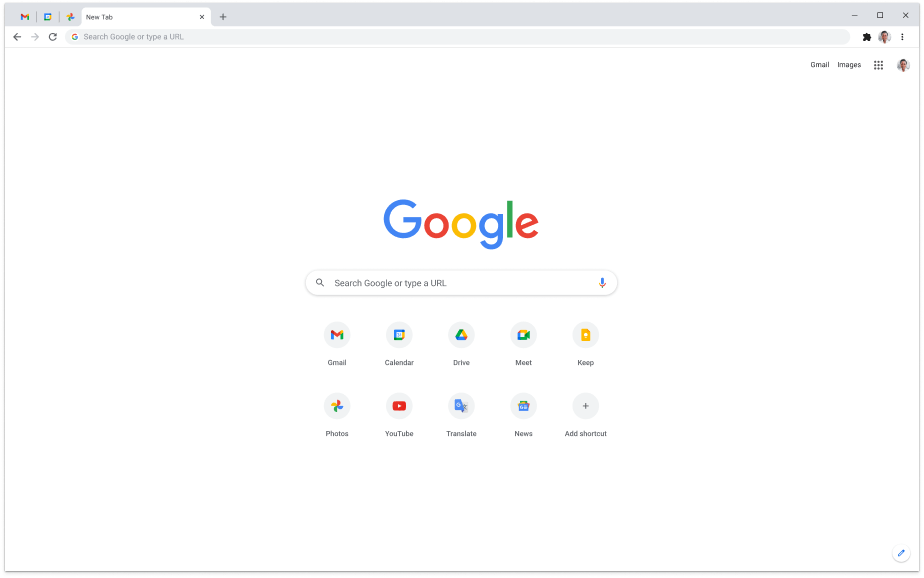
In September 2008, most people opened the Internet through a browser that felt like an afterthought: slow to start, prone to freezing and cluttered with toolbars. Then Google released a plain-looking programme with a tab bar and one box for everything. Within a few years, Chrome had changed what people expected from the software they used to reach the web, and it has stayed on top ever since.
A Browser Built for a Different Web
Chrome first appeared as a beta for Windows, introduced alongside a now-famous comic book that explained its design to a general audience. The thinking behind it was that websites were turning into full applications, such as email, maps and word processors. A browser therefore needed to behave less like a document viewer and more like an operating system.
Three early decisions shaped everything that followed:
- Separate processes for tabs. If one page crashed, the rest of your session survived.
- A fast JavaScript engine. Google's V8 engine made complex web apps feel responsive.
- The combined address bar. The Omnibox let you type a web address or a question in the same place.
Google also released much of the underlying code as the open-source Chromium project. That choice proved just as important as the browser itself, because other developers could build on the same foundation.
From Newcomer to Market Leader
Chrome did not win overnight, but its speed and steady update schedule gradually drew people away from older rivals. Mobile versions for Android and iOS arrived in 2012, and Chrome's habit of syncing bookmarks, passwords and history across devices made it hard to leave once you were signed in.
Today the browser's reach is vast. Estimates differ depending on the measuring service and the month, but most put Chrome at roughly two-thirds of worldwide browser use, with Safari a distant second and Microsoft Edge third. Its lead is largest on desktop computers and Android phones. In the United States, where iPhones are common, its share is noticeably lower. Google itself has not published a fresh user figure for some time, so the often-quoted total of several billion users is an estimate rather than an official count.
The Engine Under Everyone's Bonnet
Why Chromium matters
Chrome's influence reaches well beyond people who use it. Microsoft rebuilt Edge on Chromium in 2020, and browsers such as Opera, Brave and Samsung Internet use the same core. The result is that a large majority of web traffic now runs through Chromium-based software.
The upside and the downside
For web developers, this brings convenience: a site that works in Chrome usually works in most other browsers. Critics argue that it also gives one company outsized power over web standards. Firefox and Safari use different engines, and supporters of a varied web see them as an important counterweight.
Security, Extensions and Everyday Habits
Chrome's sandboxing technique keeps web content in a restricted environment, so a malicious page has a harder time reaching the rest of your computer. Updates arrive automatically in the background, and the browser warns you about known dangerous websites and risky downloads.
The Chrome Web Store, opened in 2010, added another layer of appeal. Extensions let you block adverts, manage passwords, capture screenshots or change how pages look. They are also a risk if you install carelessly, since an extension can read what you do on a page.
Chrome also underpins Chromebooks and ChromeOS, laptops designed around the browser itself. They are popular in schools because they are inexpensive and simple to manage.
Privacy, Competition and the AI Turn
Chrome's size has drawn scrutiny. Because the browser is tied to Google's wider business, regulators and rivals have questioned how its position affects competition. In the United States, a federal judge considered whether Google should be forced to sell it as part of a long-running competition case. The 2025 ruling stopped short of that, though it barred exclusive deals for distributing Chrome and several other Google products. Appeals have followed, so the legal picture is still developing.
Privacy has been another long-running debate. Google spent years planning to phase out third-party tracking cookies, then changed course and kept them, offering users more controls instead. Chrome now includes privacy tools, but many people still choose other browsers for stricter default protections.
The newest chapter is artificial intelligence. Google has been building its Gemini assistant into Chrome so that it can summarise pages, answer questions about what you are reading and, over time, carry out multi-step tasks. Competitors have launched AI-first browsers of their own, which makes the browser an active battleground again, much as it was in the 2000s.
Getting the Best from Chrome
If you use Chrome every day, a few habits are worth adopting:
- Keep it updated, and restart when it prompts you.
- Review your installed extensions and remove any you no longer use.
- Check the privacy and security settings rather than accepting the defaults.
- Use a password manager and two-step verification for important accounts.
- Close tabs you are not using, since many open pages can slow older computers.
Why It Still Matters
Chrome is more than a way to open websites. It shapes how developers build for the web, how companies reach customers and how billions of people log in, shop and work. Whether you love its convenience or worry about its dominance, understanding what sits behind that familiar window helps you make better choices about the software you trust with so much of your digital life.